An unstocked stream may be the point
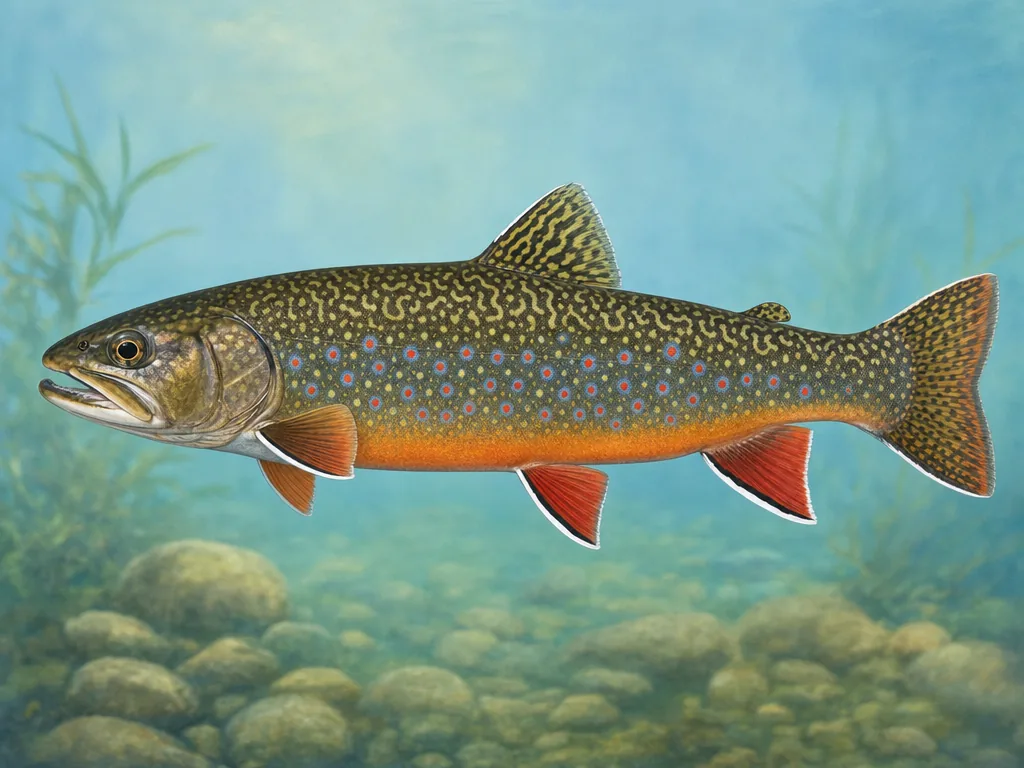
Vermont’s stocking search is useful, but it should not become a filter that erases wild fisheries. Small Green Mountain streams can support naturally reproducing brook trout and may receive no hatchery fish by design. Use stocking history to understand management, then use habitat, access, and the regulation to decide whether the water fits the trip.
On larger rivers, a named stream can cross town boundaries, tributary mouths, and special-rule sections. Confirm the legal reach before interpreting a general report about trout in a watershed.
Lake Champlain is its own planning system
Lake Champlain adds scale, border rules, and a much broader species list. Salmonids, bass, pike, perch, and walleye use different depths and seasons, while weather can build hazardous waves quickly. Select a launch or shoreline access point, check reciprocal rules, and review the forecast for the part of the lake you will actually fish.
Access areas reduce uncertainty
The state access-area directory is more reliable than an unlabeled map pin because it identifies managed entry points, facilities, and directions. Family-friendly waters narrow the list further for a short bank trip. On the Connecticut River, confirm whether Vermont or New Hampshire licensing and regulations govern the activity before crossing or launching from the opposite bank.