UT

Fishing in Utah

trophy trout reservoirs · Wasatch Front community ponds · Flaming Gorge and Green River sections

What to know before fishing Utah

Utah fishing follows elevation, reservoir level, and species management. High mountain lakes, Wasatch Front ponds, trophy trout reservoirs, desert impoundments, and Green River tailwater sections can have very different access and special rules. Check the current guide and water entry, then use stocking, ramp, road, and ice information as separate decisions.

The state pairs dense urban access along the Wasatch Front with remote alpine basins and large federal reservoirs. Native cutthroat restoration, kokanee systems, desert heat, seasonal drawdown, and border-water licensing give Utah more regulatory texture than a generic trout map suggests.

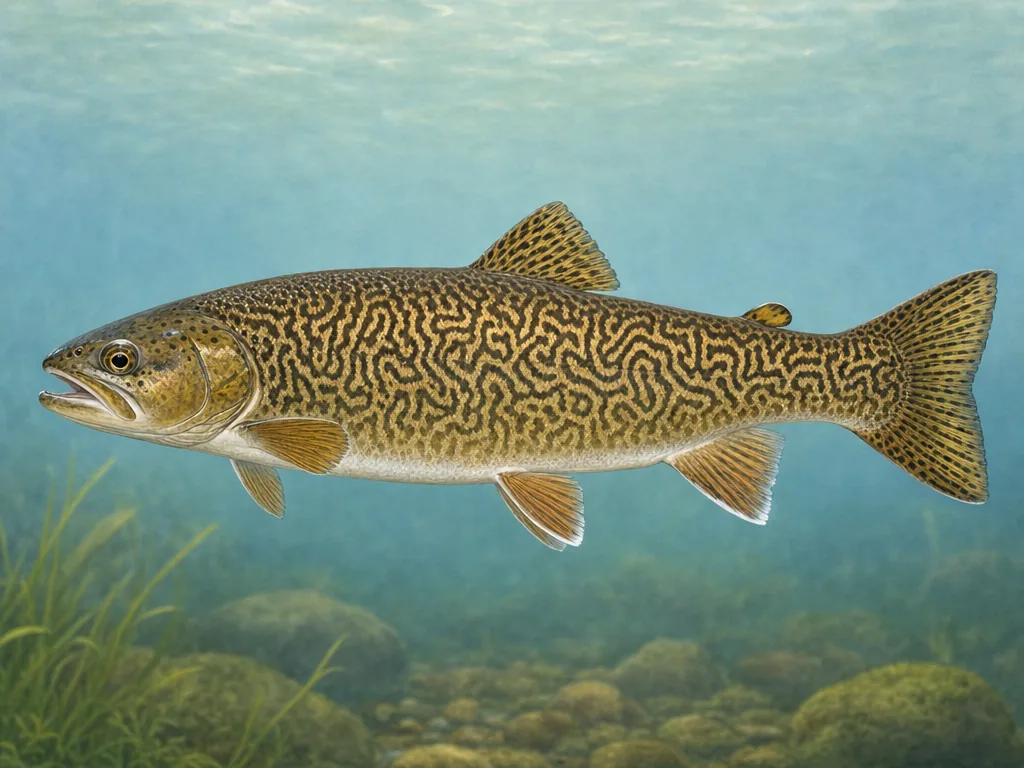
Field-guide illustration of a tiger trout representing Utah's managed mountain lakes and reservoirs
Tiger trout are one management tool in Utah's varied coldwater portfolio, which also includes native cutthroat, kokanee, and trophy reservoir fisheries.

License

Use Utah DWR's licensing and regulation hub for current products, age requirements, reciprocal waters, and purchasing options.

Utah fishing licenses

Regulations

Read the current guidebook and emergency changes for the named water, species, season, and tackle restrictions.

Utah fishing guidebook and emergency changes

Elevation separates nearby seasons

Along the Wasatch Front, a city pond can be open and warming while a mountain reservoir remains iced or a Uinta trail stays snowbound. Treat elevation as a travel variable, not just a temperature label. DWR’s planner helps identify facilities and regulations, but the responsible land manager confirms road, campground, and ramp conditions.

Special rules reflect management purpose

Utah waters may be managed for trophy trout, kokanee, native cutthroat recovery, or high-use family fishing. That purpose can produce slot limits, closures, bait restrictions, or species-specific harvest provisions. Read the individual water entry in the current guidebook. A stocking record for tiger trout or cutthroat explains a management action; it does not replace the rule or imply uniform abundance across a large reservoir.

Ice and drawdown need separate evidence

Late-season reservoir levels can close a ramp well before fishing closes. Winter ice can vary near springs, pressure ridges, inlets, and aerators. Agency reports are dated observations, not certification. Flaming Gorge adds state-line and wind considerations, while Lake Powell conditions reflect long-term level changes. Verify the intended launch or shore area shortly before travel and consult the health advisory when planning to keep fish from a listed water.

Choose an area that fits the trip

Wasatch Front

Salt Lake, Utah, Davis, and Weber county ponds, rivers, and nearby reservoirs offer short trips with city-park and seasonal stocking details.

Uinta Mountains

High lakes and streams support trout across trail-access, roadside, and wilderness settings where snow and rotational stocking shape timing.

Central and southern reservoirs

Strawberry, Fish Lake, Scofield, Otter Creek, Panguitch, and desert waters combine trophy trout, kokanee, warmwater fish, and fluctuating levels.

Green River and Flaming Gorge

A major interstate reservoir and regulated tailwater require section-specific rules, federal access, wind, ramps, and Wyoming boundary awareness.

These internal reports are selected from normalized public stocking records. Confirm live access and regulations with the agency before traveling.

State stocking guide →

Official and local planning resources