The quick read
Utah DWR’s 2026 fish stocking table gives anglers the fields they usually need first: water name, county, species, quantity, average length, and date stocked. The current page includes entries dated into August.
One current example is American Fork Creek, North Fork, listed for 501 rainbow trout, averaging 11.93 inches, on August 3, 2026. That is a date-stocked table entry. It is not a promise that 501 fish remain in the same reach or that the water will fish well on the day you arrive.
| Date in current table | Water | County | Species | Quantity | Average length |
|---|---|---|---|---|---|
| Aug. 3, 2026 | American Fork Creek, North Fork | Utah | Rainbow | 501 | 11.93 in. |
| Aug. 3, 2026 | American Fork Creek, North Fork | Utah | Rainbow | 350 | 11.93 in. |
| July 20, 2026 | Amlen Lake X-99 | Duchesne | Brook Trout | 597 | 3.52 in. |
| July 16, 2026 | Big Sandwash Reservoir | Duchesne | Walleye | 425 | 4.58 in. |
| July 16, 2026 | Fish Lake | Sevier | Rainbow Trout | 46,575 | 2.37 in. |
The table keeps the agency’s published values. It does not combine records into an unsupported statewide total.
How to read the Utah table
Water and county come first
Utah water names can be abbreviated or compressed in the agency table. Keep the published spelling when you cite a record, then use the county to disambiguate the location. Similar names can refer to different waters, reaches, or facilities.
If you are not sure which water the record means, open Utah’s fishing resources and look for the water-specific map or regulation information. A stocking row is not enough to infer public access.
Species and life stage matter
The table includes rainbow trout, cutthroat trout, brook trout, tiger trout, walleye, tiger muskie, wiper, and other species. A count of small fish is not equivalent to a count of catchable trout.
For example, the Fish Lake row above has a large count but a short average length. That is a stocking fact, not a claim about immediate angler availability. The Amlen Lake entry is a smaller brook-trout release. The Big Sandwash entry is walleye, which calls for a different species and regulation check than a trout release.
Use the rainbow trout, cutthroat trout, and walleye pages for general species context, then return to the official water and rule sources.
Quantity is a record field, not a success forecast
The count tells you what DWR published for the release. It does not answer:
- how many fish survived transport;
- how many remained after other anglers fished;
- where the fish moved;
- whether the water was open;
- whether harvest was allowed;
- whether the release was part of a restoration or catchable-fish program.
Avoid turning counts into rankings like “best lake” unless you have separate evidence for access, conditions, and angling opportunity.
What the local snapshot adds
USAStockedFish’s normalized Utah snapshot was retrieved July 19, 2026. It contains 1,302 completed rows through July 16 with species, counts, average lengths, counties, and dates. That makes Utah a strong example of what structured data can do: filter the agency table by location or species, preserve the exact value, and put the source link beside it.
The snapshot is still a snapshot. The current DWR page is newer, including the August 3 American Fork Creek entries. When the local table and the live page differ, use the current DWR page for a trip decision and show the date boundary rather than hiding it.
A better Utah fishing workflow
Use this sequence:
- Search the Utah DWR stocking table by water, county, species, or date.
- Record the exact published water name, date, quantity, and average length.
- Check whether the fish are catchable-sized, fingerlings, brood fish, or another category.
- Open Utah’s current fishing regulations and access information.
- Check weather, water level, temperature, and closures near the date of travel.
- Use the Utah state page or near-me tool to compare nearby options.
The DWR page should remain the source of record. USAStockedFish’s job is to make the fields easier to understand and connect them to a practical next step.
Why Utah is reviewing stocking for the long term
In a March 2026 notice, Utah DWR described a proactive 30-year plan for fish production and stocking. The agency cited population growth, water-infrastructure demands, and ongoing drought conditions as reasons to review production and stocking methods.
That announcement is useful program context, not a water-specific fishing forecast. It helps explain why the state’s stocking data belongs alongside current regulations, water conditions, and the exact source row.
Before you use a row to plan a trip
Check:
- the exact water and county;
- the date and whether the page is current;
- species and average length;
- current fishing rules and license requirements;
- access, parking, ramps, and land status;
- current conditions close to departure.
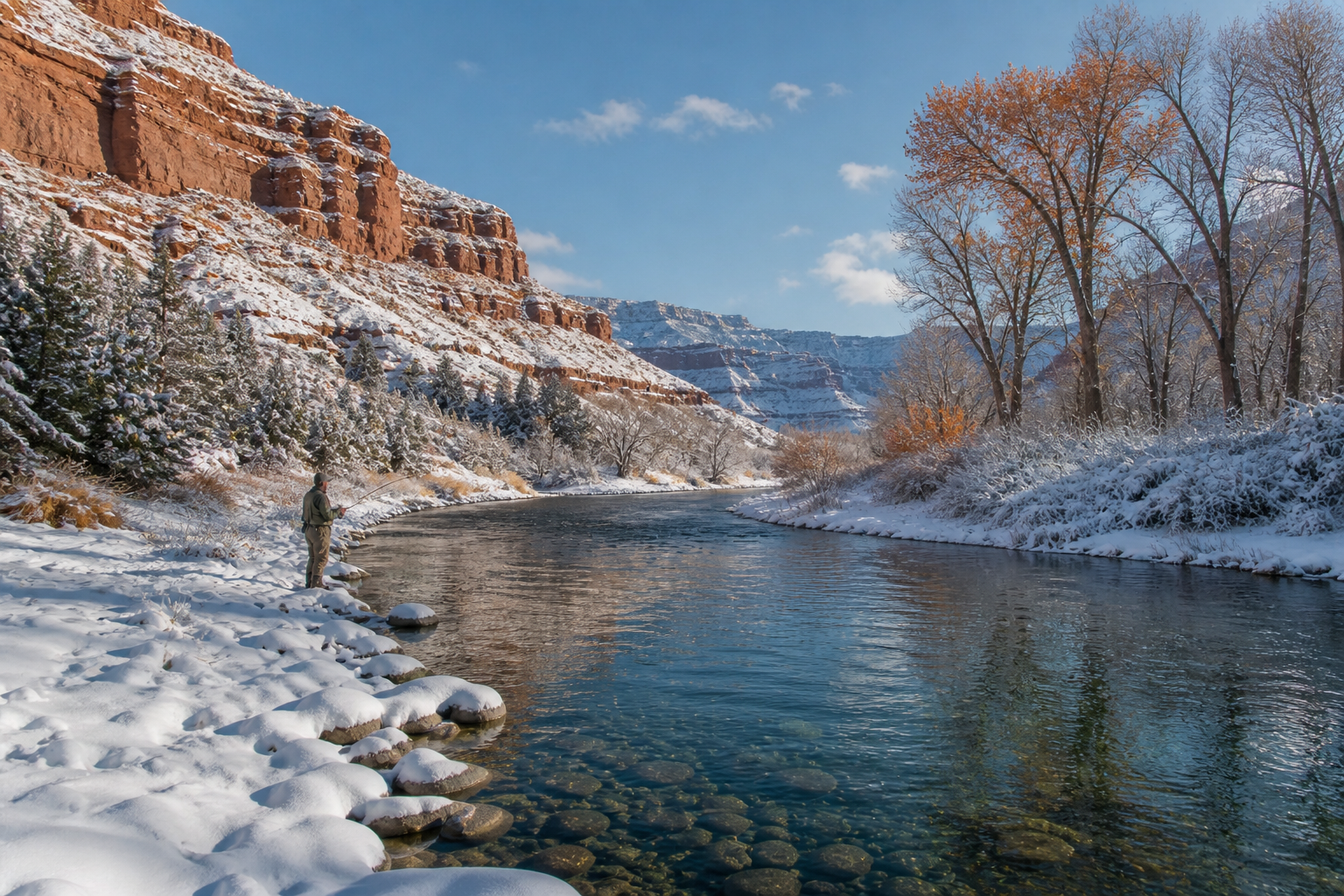
The hero image is illustrative and does not show Utah’s current water, weather, or fish.
Frequently asked questions
Where is Utah’s fish stocking report?
Use the Utah DWR 2026 fish stocking table. It lists water, county, species, quantity, average length, and date stocked.
Does the quantity mean catchable fish?
No. The table can include different species, sizes, and life stages. Read the species and average length together, then check the water-specific context.
How current is the Utah table?
The live DWR table accessed August 11, 2026 includes entries dated August 3. The USAStockedFish normalized snapshot was retrieved July 19 and is older. Use the live DWR table for the latest record.
Can I fish the water listed in a Utah record?
Not automatically. Confirm access, season, license, size, creel, and special rules for that water before fishing.