WY

Fishing in Wyoming

drainage-specific trout rules · North Platte tailwaters · tribal jurisdiction and high-country access

What to know before fishing Wyoming

Wyoming fishing spans famous trout rivers, high mountain lakes, prairie reservoirs, community ponds, and interstate waters. Elevation, snow, wind, dam releases, wildfire, and long travel gaps shape the real season. Check the drainage or water-specific rule, land manager, stocking record, flow, level, and current road or ice condition.

Yellowstone cutthroat restoration, North Platte tailwaters, Wind River jurisdiction, Flaming Gorge, Bighorn reservoirs, and remote alpine basins give the state several distinct planning systems. A statewide trout label is not precise enough for access or regulation decisions.

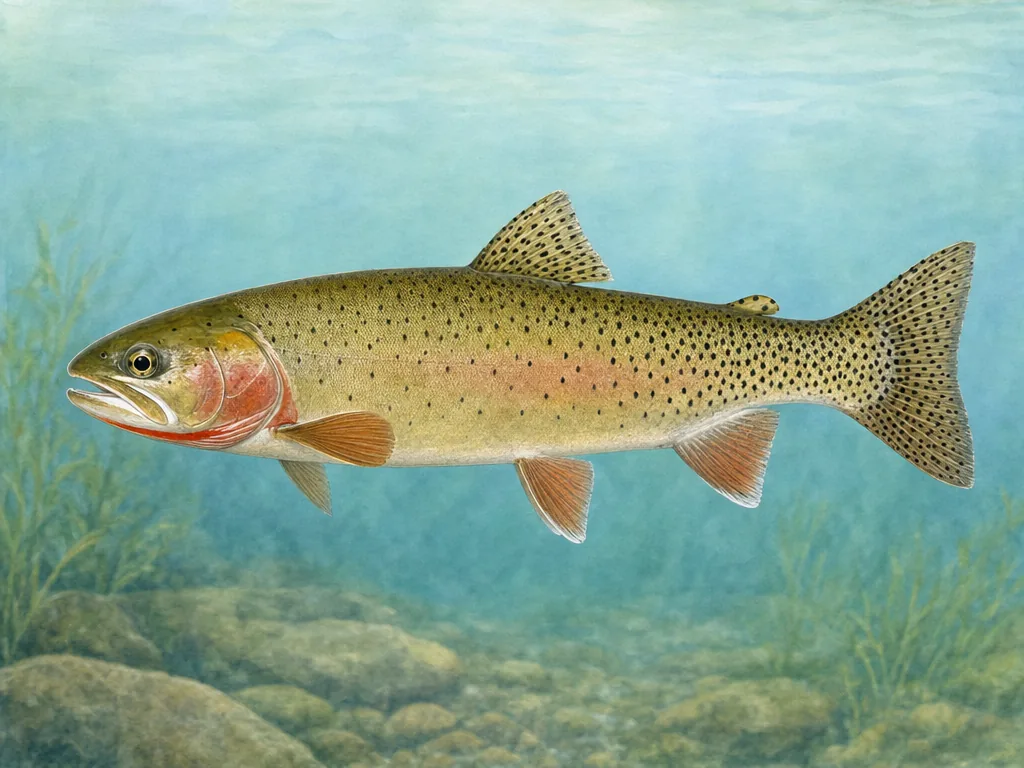
Field-guide illustration of a cutthroat trout representing Wyoming's native trout drainages and high-country waters
Wyoming's native cutthroat forms are managed by drainage; special rules and restoration goals can change between neighboring basins.

License

Use Wyoming Game and Fish for current resident, nonresident, daily, youth, conservation stamp, and interstate water requirements.

Wyoming fishing licenses

Regulations

Read the current drainage-area rules, exceptions, closures, bait restrictions, and species identification guidance for the exact water.

Wyoming fishing regulations

Drainage rules matter more than county lines

Wyoming organizes many exceptions by drainage. Native cutthroat restoration, seasonal closures, bait rules, and harvest limits can change across a divide that looks close on a road map. Read the exact drainage and water entry. In Yellowstone, a separate park permit and conservation rules apply; the state license is not the controlling credential inside the park.

Tailwaters require release awareness

The North Platte’s well-known reaches sit below a chain of reservoirs. Generation can change depth, current, boat handling, and wading access even under clear skies. Use current gauges and project information, then observe local conditions. Wind is an equally important hazard on broad reservoirs such as Flaming Gorge, Pathfinder, and Boysen.

Public water can cross jurisdiction

Wind River Reservation fishing requires tribal authorization and current tribal rules; do not assume a state license applies. Elsewhere, federal, state, and municipal sites establish their own gates, camping, and boat provisions. High-country lakes may remain snowbound into summer, while winter ice varies near springs and inlets. A stocking record explains management history but cannot verify road, trail, or ice safety.

Choose an area that fits the trip

Yellowstone and northwest Wyoming

Park rivers, Jackson Hole, Snake tributaries, and Yellowstone Lake combine native-trout restoration, park permits, seasonal roads, and wildlife closures.

North Platte corridor

Grey Reef, Fremont Canyon, Miracle Mile, Seminoe, Pathfinder, and Casper access follow reservoir releases, wind, and reach-specific rules.

Bighorn and Wind River country

Large reservoirs, mountain streams, and Wind River Reservation waters require exact jurisdiction, tribal permit, and access research.

Green River and southwest

Flaming Gorge, Fontenelle, Green River reaches, and community ponds support trout, kokanee, burbot, and warmwater species across long distances.

These internal reports are selected from normalized public stocking records. Confirm live access and regulations with the agency before traveling.

State stocking guide →

Official and local planning resources