Water-specific rules are the reliable shortcut
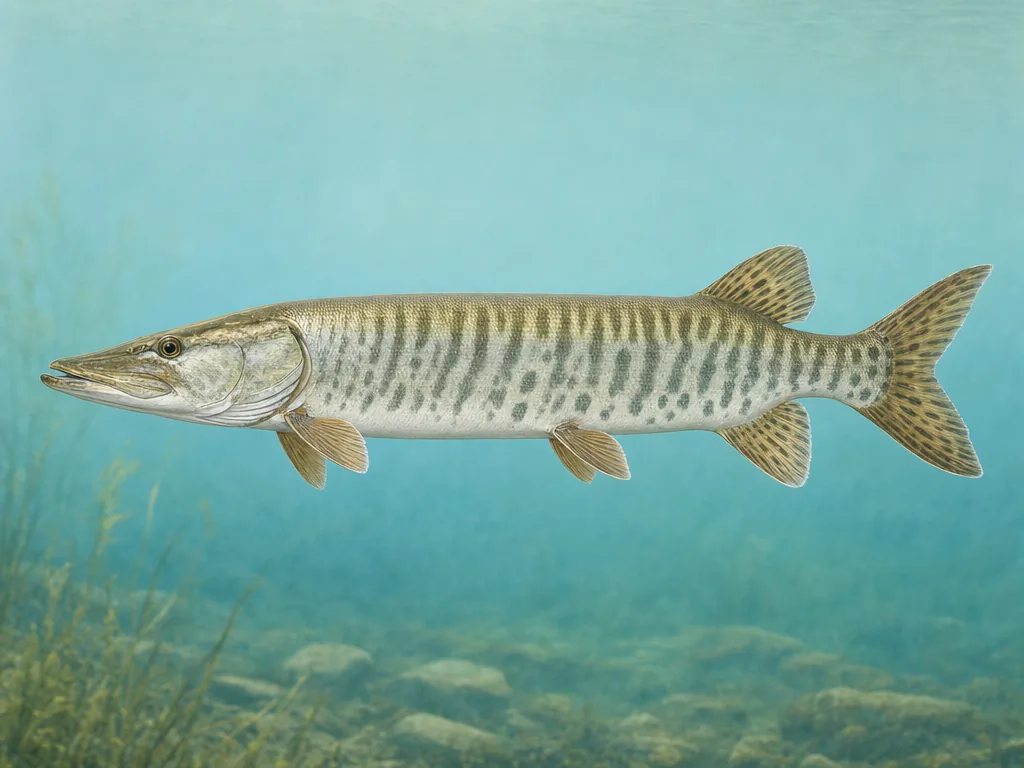
Wisconsin’s season dates and limits can vary by lake, boundary water, trout stream, Great Lakes tributary, or special management objective. Search the actual water in the current regulation source. Stocking data can explain a muskie, walleye, or salmon program, but lake surveys and habitat often provide better current context than a single release year.
Treaty rights are part of northern management
Ojibwe tribes retain treaty harvest rights across ceded territory, and state regulations account for shared resource management. Recreational anglers should follow current state rules while understanding that this is not an outside complication but a governing feature of the fishery. Access on reservation land may require tribal authorization; confirm the land and water rather than assuming state permission.
Ice and Great Lakes weather are local evidence
No calendar guarantees safe Wisconsin ice. Current, springs, pressure ridges, snow, and changing temperatures make conditions uneven, especially on river-connected lakes and Green Bay. Lakes Michigan and Superior require marine forecasts and cold-water equipment throughout the open-water season. Mississippi pools add changing stage and navigation. Use the advisory for a named water when keeping fish because meal guidance varies widely.