A plant report does not open the lake
WDFW may stock trout before a seasonal lake opens, and a recent record does not override a closure or special rule. Use the plant report to understand agency activity, then open the lake page and current regulation. The same discipline applies to rivers where hatchery salmon or steelhead are present but retention is limited by an emergency rule.
Lowland lake pages add practical value missing from a statewide table: piers, ramps, shoreline access, county, acreage, species, and fish-consumption notices. Lake Washington demonstrates why those details matter around a major city; access differs among Seattle, Renton, Kirkland, and Bellevue shorelines even though the water is shared.
Salmon planning happens in season
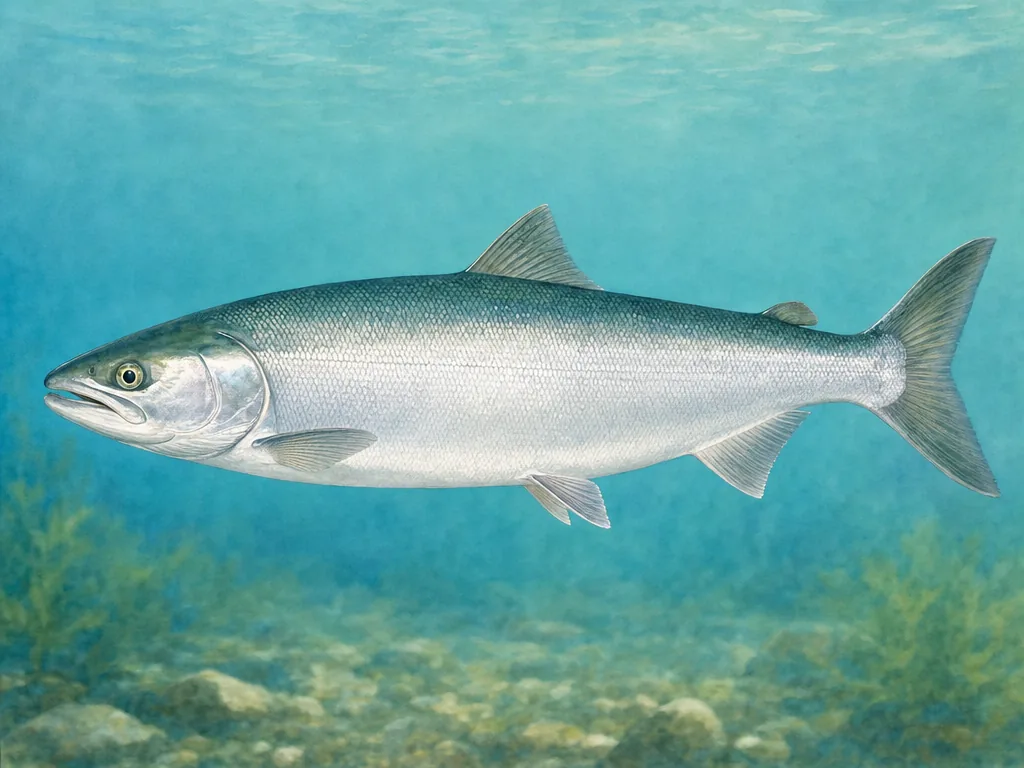
Washington salmon fisheries are divided by marine area, river, reach, species, and run. Catch record cards can apply even to anglers who do not otherwise need a license. Check emergency rules close to the trip because opening dates, retention, and hatchery-mark requirements can change as managers evaluate returns.
High lakes use a different stocking model
Many high lakes receive tiny fry on a rotation rather than catchable trout every spring. A historical plant can be more meaningful than a recent one, while trail conditions, snow, and wildfire determine whether the lake is reachable. Use the high-lake search and land-manager notices instead of filtering the catchable plant table alone.