winter urban trout stocking · large reservoir bass and crappie · Gulf bays, jetties, and surf
What to know before fishing Texas
Texas fishing spans winter-stocked neighborhood ponds, large bass and crappie reservoirs, Hill Country rivers, border waters, bays, jetties, surf, and offshore reefs. The useful sequence is license and water rule, public access or reservoir manager, then current flow, level, tide, weather, and consumption advice for the named destination.
Distance and water ownership make Texas planning highly local. A Dallas park pond, Lower Colorado access point, Panhandle reservoir, Rio Grande reach, and Galveston jetty share a state license but little else. Seasonal heat and drought can be as decisive as stocking or species presence.
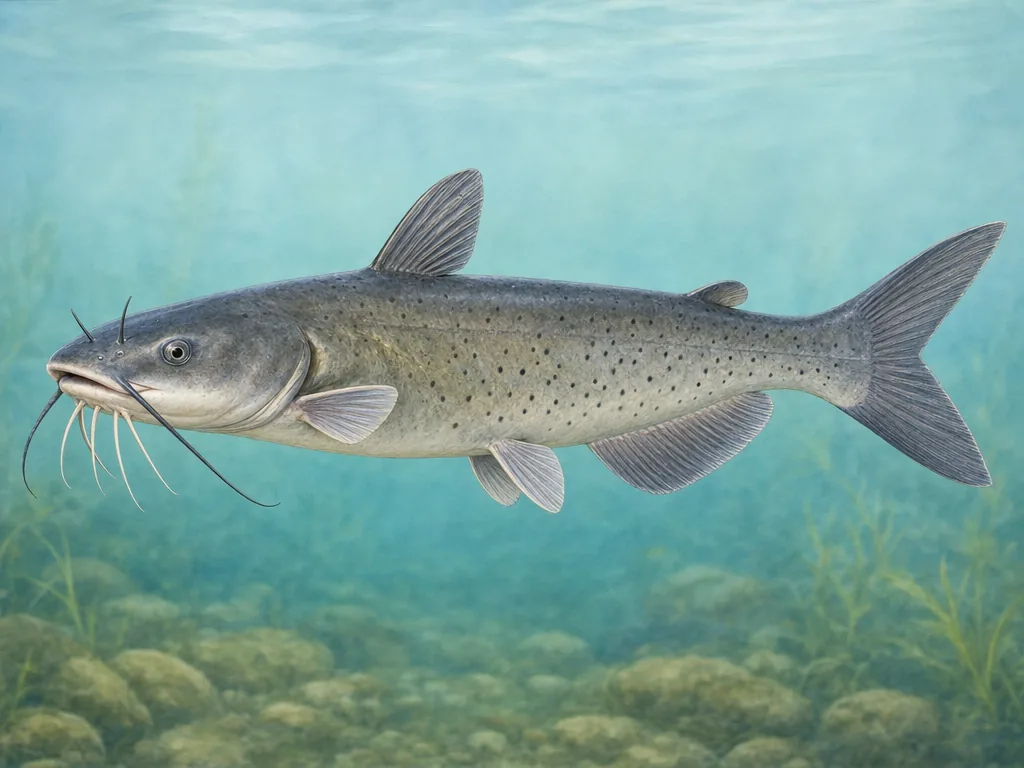
Channel catfish support warm-season urban plants and broad reservoir opportunity; winter trout and Gulf species require different planning.
License
Use TPWD for current freshwater, saltwater, all-water, endorsement, and package requirements, including exceptions by age and residency.
A lake name alone is not an access plan. Large reservoirs can have dozens of ramps run by federal agencies, river authorities, counties, or private operators, with closures triggered by low water or construction. Neighborhood ponds may sit inside parks with gates and city rules. Select the actual access point before estimating drive time, especially where the opposite side of a reservoir is an hour away.
Stocking follows two different calendars
TPWD uses warm-season species such as catfish in urban programs and shifts to rainbow trout during cool weather. That produces useful city fishing, but a scheduled week is not a guarantee that every park condition is unchanged. Confirm the partner lake, park hours, and any local closure. At major reservoirs, historical stocking supports long-term management and should not be read as a recent-fish locator.
Flow and tide define moving water
Hill Country rivers can swing from drought-low to flood stage, changing both wading safety and legal public access from designated sites. Along the Gulf, match the tide station and marine forecast to the bay or pass rather than using a statewide coastal forecast. Border water may involve special reciprocal provisions. For harvested fish, consult the state advisory by water and species; a bay-wide rule and a channel-specific advisory can differ.
Choose an area that fits the trip
North Texas metros
Dallas–Fort Worth reservoirs and Neighborhood Fishin' ponds provide close access to stocked trout, catfish, sunfish, bass, and crappie.
Hill Country and central Texas
Spring-fed rivers, Highland Lakes, Canyon Lake, and Austin–San Antonio access depend on flow, drought, flood, and local park entry.
East Texas reservoirs
Toledo Bend, Sam Rayburn, Fork, and forest lakes emphasize bass, crappie, catfish, timber navigation, ramps, and changing levels.
Gulf Coast
Laguna Madre, Corpus Christi, Galveston, Matagorda, and Sabine waters follow tides, wind, saltwater rules, closures, and storm conditions.