TN

Fishing in Tennessee

TVA tailwater generation · Smokies wild trout · reservoir bass, crappie, and catfish

What to know before fishing Tennessee

Tennessee fishing is built around TVA reservoir chains, productive tailwaters, mountain trout streams, big-river catfish, and urban lakes. Check the exact water and agency rule, then dam generation, lake level, park access, stocking schedule, and consumption advisory. A calm forecast does not make a tailwater safe when turbines are scheduled.

East Tennessee's cold tailwaters and Smokies streams differ from Middle Tennessee reservoirs and West Tennessee's Mississippi drainage. Hydropower operations connect many of the state's best-known waters, making release information a core fishing and safety source.

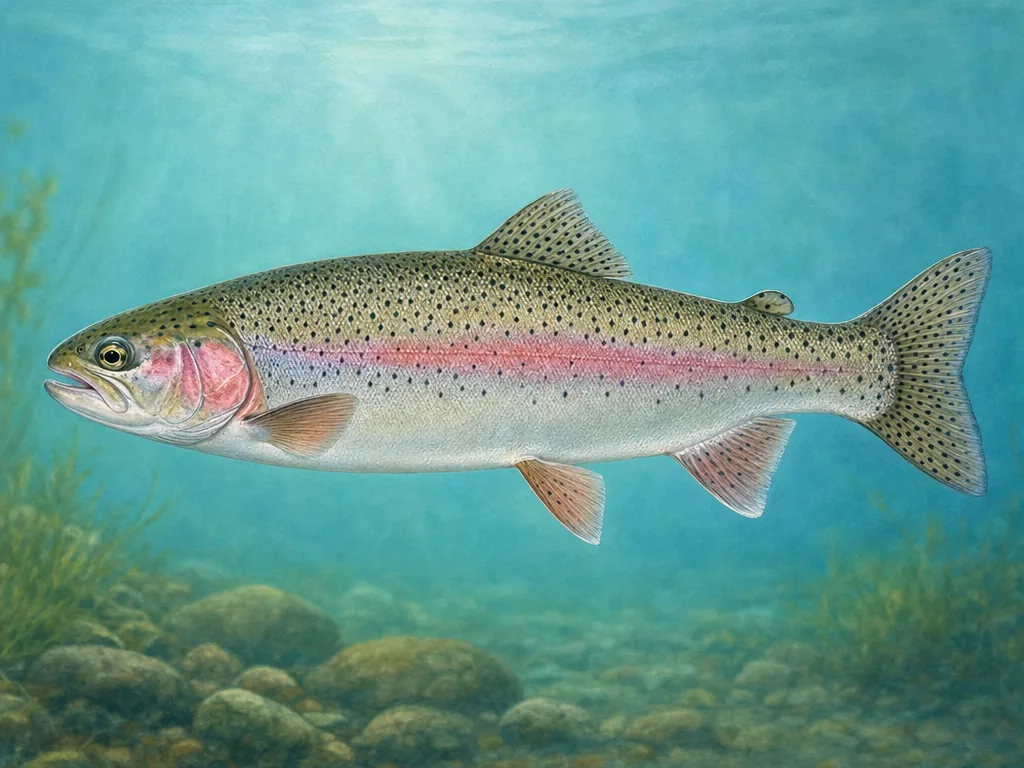
Field-guide illustration of a rainbow trout representing Tennessee's stocked streams and cold TVA tailwaters
Tennessee trout water ranges from stocked urban and mountain reaches to wild park streams and dam-controlled tailwaters.

License

Use TWRA for current resident, nonresident, trout, county, and short-term license products and purchasing options.

Tennessee fishing licenses

Regulations

Read statewide rules and named-water exceptions for trout, reservoirs, tailwaters, paddlefish, border waters, and special management areas.

Tennessee fishing regulations

Generation is a fishing condition and hazard

Below TVA dams, water level and current can rise without local rain. The release schedule and any warning system belong in every wading, boating, and bank plan. Scheduled generation may change with grid and flood-control needs, so observe conditions rather than treating a posted projection as a guarantee. Tailwater rules can also differ from the reservoir immediately upstream.

Mountain trout crosses jurisdictions

Great Smoky Mountains National Park, Cherokee National Forest, state-supported streams, and private access can meet within one watershed. License requirements, bait rules, harvest, and parking change with the boundary. A stocking list identifies hatchery-supported water; it does not describe wild park streams or prove access across private land. Read signs and the exact reach description.

Reservoir chains are linked but distinct

Tennessee River and Cumberland impoundments pass water and fish through connected systems, yet each reservoir has its own habitat, ramps, levels, and exceptions. Identify the managing facility and current pool. West Tennessee adds floodplain lakes and Mississippi River stage. When fish are kept, use the state’s named-water advisory because contaminants can differ among reaches of the same river.

Choose an area that fits the trip

East Tennessee and the Smokies

Mountain streams, Cherokee reservoir chain, Clinch, Holston, and Hiwassee tailwaters support trout, bass, walleye, and striped fish.

Nashville and Middle Tennessee

Cumberland reservoirs, urban lakes, Harpeth and Stones systems, and park waters offer tailwater, boat, bank, and family access.

Tennessee River reservoirs

Chickamauga, Watts Bar, Kentucky, Pickwick, and connecting water support bass, crappie, catfish, and current-oriented fishing.

West Tennessee

Reelfoot, Mississippi River, state lakes, and Hatchie drainage waters emphasize shallow systems, catfish, crappie, and flood conditions.

Official and local planning resources