PA

Fishing in Pennsylvania

stocked and wild trout classifications · Lake Erie steelhead · Susquehanna and Delaware river systems

What to know before fishing Pennsylvania

Pennsylvania fishing ranges from intensively stocked trout streams and wild brook-trout headwaters to large reservoirs, Susquehanna and Delaware rivers, Lake Erie, and city waters. Check the exact stream section or lake rule, then stocking, property access, flow, reservoir level, or marine forecast for the trip.

The state's county-by-county trout program is highly visible, but warmwater rivers, Allegheny reservoirs, Poconos lakes, Lake Erie tributaries, and urban park waters broaden the picture. Special-regulation reaches and private land open to public fishing require careful boundary reading.

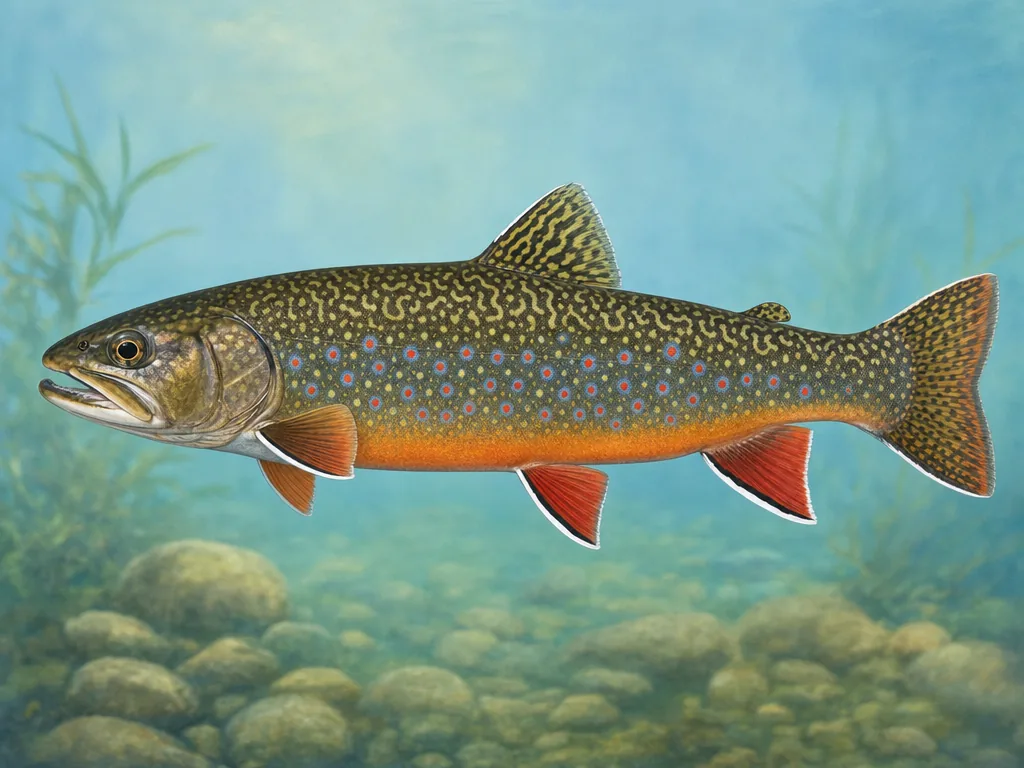
Field-guide illustration of a brook trout representing Pennsylvania's wild headwaters and stocked coldwater streams
Pennsylvania distinguishes wild, stocked, special-regulation, and delayed-harvest trout waters; the stream-section label matters.

License

Use the Pennsylvania Fish and Boat Commission for current licenses, trout and Lake Erie permits, youth rules, and purchasing options.

Pennsylvania fishing licenses

Regulations

Read current statewide seasons plus special-regulation waters, trout classifications, Lake Erie, border-water, and species provisions.

Pennsylvania fishing regulations

Stream sections are the regulatory unit

Pennsylvania trout designations can change at a road, bridge, or tributary. Stocked trout water, Class A wild trout water, delayed harvest, fly-fishing-only, and other special reaches are not interchangeable. Read the boundary description and respect private property outside an access easement. A stocking schedule may list a section without making the entire stream public.

Lake Erie has its own season signals

Steelhead move into tributaries according to rain, temperature, and lake conditions. Low water can concentrate fish and crowds; high water can become unsafe. The lake itself requires a marine forecast and cold-water judgment. Trout or Lake Erie permit requirements should be checked with the current license, not inferred from the target species alone.

Large rivers require reach-specific conditions

Susquehanna, Allegheny, Monongahela, Ohio, and Delaware systems vary by dam pool, tributary, navigation, and recent rain. Use the nearest gauge and identify the bank authority. Philadelphia and Pittsburgh river access often sits within city or regional parks. For kept fish, Pennsylvania’s advisory can change between river reaches and species, so look up the actual water instead of applying one statewide rule.

Choose an area that fits the trip

Lake Erie and northwest

Presque Isle, Erie tributaries, Allegheny Reservoir, and glacial lakes support steelhead, walleye, perch, bass, muskie, and trout.

Pennsylvania Wilds and central ridges

Forested headwaters, limestone valleys, Susquehanna tributaries, and remote reservoirs combine wild and stocked trout with smallmouth waters.

Pittsburgh and southwest

Three Rivers access, Youghiogheny system, state parks, and flood-control lakes support river, tailwater, trout, bass, and catfish trips.

Poconos, Delaware, and Philadelphia

Mountain lakes, Delaware River, city streams, tidal water, and park ponds require interstate, municipal, flow, and access checks.

Official and local planning resources