OR

Fishing in Oregon

salmon and steelhead · zone-based trout stocking · coast-to-high-desert access

What to know before fishing Oregon

Oregon fishing is organized by zone and fishery: stocked trout in valley ponds and Cascade lakes, salmon and steelhead in coastal and Columbia tributaries, warmwater fishing in lower-elevation reservoirs, and high-lake trips controlled by snow and road access. Read the zone regulation and any in-season update after choosing the exact water.

The trout schedule is unusually readable, but its Monday date marks a stocking week rather than a guaranteed delivery day. Salmon seasons work differently and can change in season. A useful plan separates those two information systems instead of treating every Oregon fishing search as a stocking question.

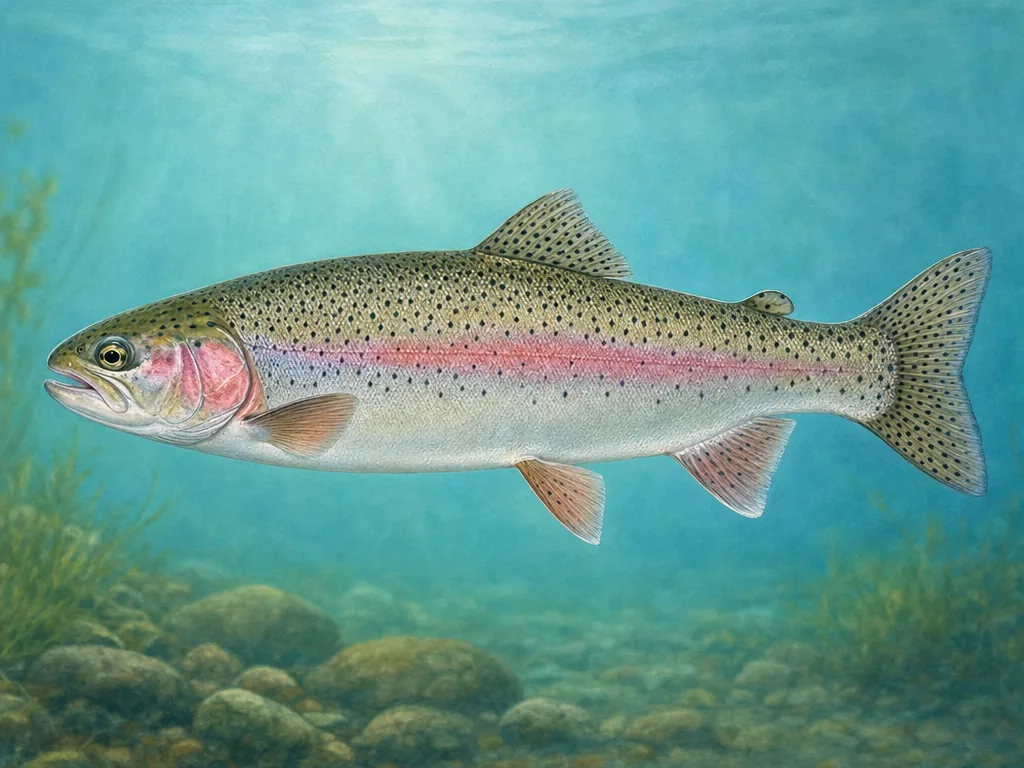
Field-guide illustration of a rainbow trout representing Oregon's valley, Cascade, and eastern Oregon stocking programs
Rainbow trout appear across Oregon's stocking zones, while salmon and steelhead seasons require separate in-season rule checks.

License

Use ODFW's guidance to choose the correct annual or short-term license and determine whether a Columbia River Basin endorsement, harvest card, or tag applies.

How to buy an Oregon fishing license

Regulations

Open the current regulation set for the correct zone, then check temporary rule changes for salmon, steelhead, marine species, and emergency closures.

Oregon sport fishing regulations

Keep trout plants and salmon seasons separate

ODFW’s trout schedule is a planning calendar. It identifies the week, zone, water, quantity, and size class, but weather, water quality, hatchery logistics, or access can move fish. A Monday shown in the table does not promise that trout are present before the weekend. The weekly recreation report adds local context after a water has been selected.

Salmon and steelhead decisions are more dynamic. Runs cross marine, Columbia, coastal, and tributary rules, and harvest opportunity can be adjusted in season. Check the temporary rule page and the regulation for the exact river section immediately before fishing.

Geography changes the useful month

Valley ponds and lower reservoirs receive much of their trout attention in cool months. Cascade and high-elevation waters become accessible later as snow recedes. Coastal lakes can remain productive while nearby rivers are governed by run timing, and eastern reservoirs combine long travel, exposed wind, and fluctuating water levels.

The Portland and Lane County guides are valuable because they turn a statewide list into practical trip radius. They also show why a local page should include access and facilities, not simply repeat fish names.

Add tide, fire, and advisory checks

Coastal anglers should plan around tide and marine weather rather than relying on a general forecast from inland Oregon. Mountain and high-desert trips need road, wildfire, and closure checks. Anyone keeping resident fish should review the state consumption advisory for the named water and species; a legal harvest limit and a recommended meal limit answer different questions.

Choose an area that fits the trip

Willamette Valley

Community ponds, valley reservoirs, and accessible river reaches serve Portland, Salem, and Eugene, with winter and spring trout plants concentrated near population centers.

Oregon Coast

Estuaries, beaches, coastal lakes, and salmon rivers require tide awareness, marine-zone rules, shellfish checks, and in-season run updates.

Cascade lakes and central Oregon

Snowpack, road openings, elevation, and volcanic-lake conditions control access to trout and kokanee waters around Bend and the Cascade crest.

Eastern Oregon

Large reservoirs, desert rivers, and northeast mountain lakes offer trout and warmwater fishing across long travel distances and exposed weather.

These internal reports are selected from normalized public stocking records. Confirm live access and regulations with the agency before traveling.

State stocking guide →

Official and local planning resources