OK

Fishing in Oklahoma

seasonal trout tailwaters · paddlefish river runs · municipal lake permits

What to know before fishing Oklahoma

Oklahoma fishing is dominated by reservoirs, warm rivers, and municipal lakes, with seasonal trout water adding a winter specialty. Check the named lake or tailwater rule, city or federal access permit, stocking or survey information, reservoir level, generation, wind, and fish-consumption advisory before traveling.

Large impoundments spread across prairie, Cross Timbers, Ozark edge, and Ouachita country. Bass, crappie, catfish, paddlefish, striped fish, and walleye use different habitats and management programs, while six-month trout fisheries take advantage of cool water in selected streams and tailwaters.

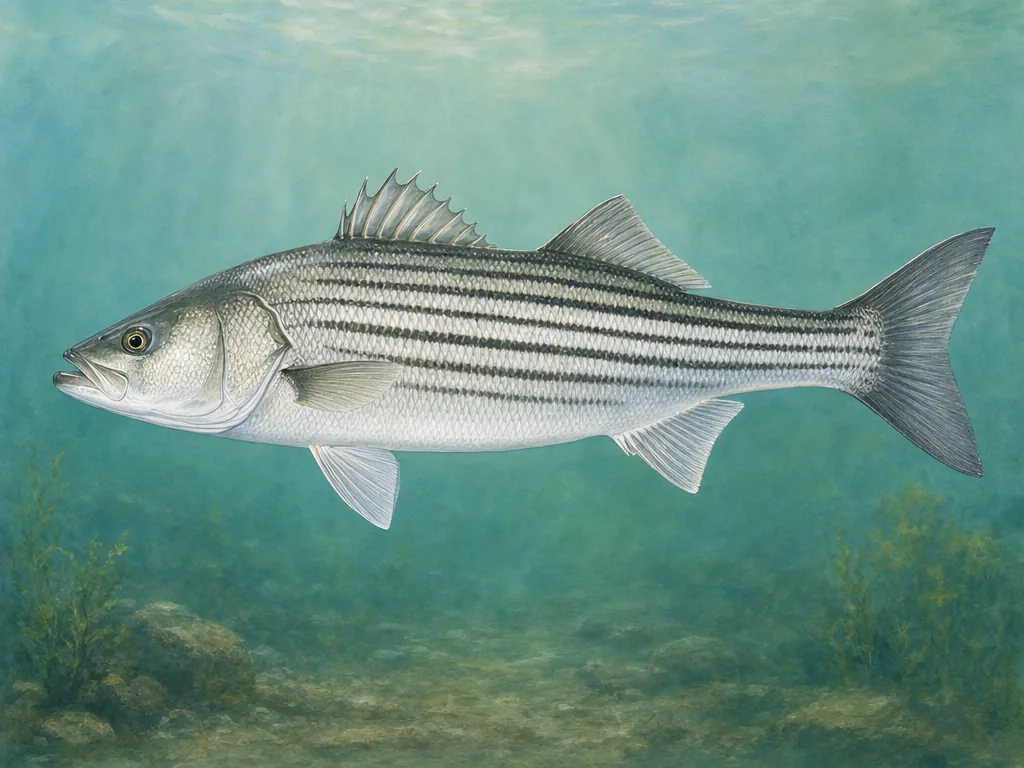
Field-guide illustration of a striped bass representing Oklahoma's large reservoirs and river-connected fisheries
Striped and hybrid striped bass are part of Oklahoma's reservoir program; trout and paddlefish follow much narrower seasons and waters.

License

Use the Oklahoma Department of Wildlife Conservation for current resident, nonresident, youth, paddlefish, and short-term requirements.

Oklahoma fishing licenses

Regulations

Read statewide rules plus lake, river, trout-area, paddlefish, noodling, and border-water exceptions.

Oklahoma fishing regulations

City water can require two permissions

Oklahoma City and other municipal lakes may require local boating or fishing permits in addition to the state license. Gates, bank areas, horsepower rules, and water-supply restrictions vary. Check the city’s page for the actual reservoir. Close to Home waters simplify distance but still operate inside local parks and seasonal stocking plans.

Trout occupies a cool-season niche

Selected tailwaters, streams, and ponds receive trout when temperatures are suitable. Dates, areas, and rules differ, and some waters rely on dam-controlled cold releases. Use the current trout page, then verify generation and access. The broader stocking and survey program for reservoir species reflects multi-year management rather than a catchable-fish calendar.

Wind and drought reshape reservoirs

Oklahoma wind can make a large, shallow reservoir dangerous, while drought can strand ramps or concentrate boat traffic. High water brings debris and strong tailrace current. Federal project pages and nearby gauges answer different parts of that problem. Paddlefish trips add river stage, harvest reporting, and specialized regulations. Consult the fish advisory for a named lake or river when the catch is intended for food.

Choose an area that fits the trip

Northeast Oklahoma

Grand, Hudson, Fort Gibson, Illinois River, and Ozark-edge waters support paddlefish, bass, crappie, catfish, and river recreation.

Oklahoma City and central lakes

Municipal reservoirs, Close to Home waters, Arcadia, Thunderbird, and Canadian River access can require city permits alongside state licenses.

Southeast mountains

Broken Bow, Mountain Fork, Eufaula, Sardis, and Ouachita streams combine tailwater trout, large reservoirs, forest access, and dam operations.

Western prairie reservoirs

Canton, Foss, Fort Supply, Altus-Lugert, and smaller waters face wind, drought, level change, and long distances between ramps.

Official and local planning resources