OH

Fishing in Ohio

Lake Erie walleye and perch · steelhead tributaries · saugeye and muskie stocking

What to know before fishing Ohio

Ohio fishing combines Lake Erie walleye and perch, steelhead tributaries, inland reservoirs, Ohio River catfish, farm-country streams, and urban ponds. Check the exact water's rule and access site, then use a lake forecast, tributary flow, reservoir level, stocking information, or fish advisory appropriate to that system.

Lake Erie's scale makes northern Ohio distinct, but the rest of the state offers major flood-control reservoirs, reclaimed and natural lakes, river corridors, and city programs. Seasonal trout plants and long-term muskie, saugeye, walleye, and hybrid stockings serve different management purposes.

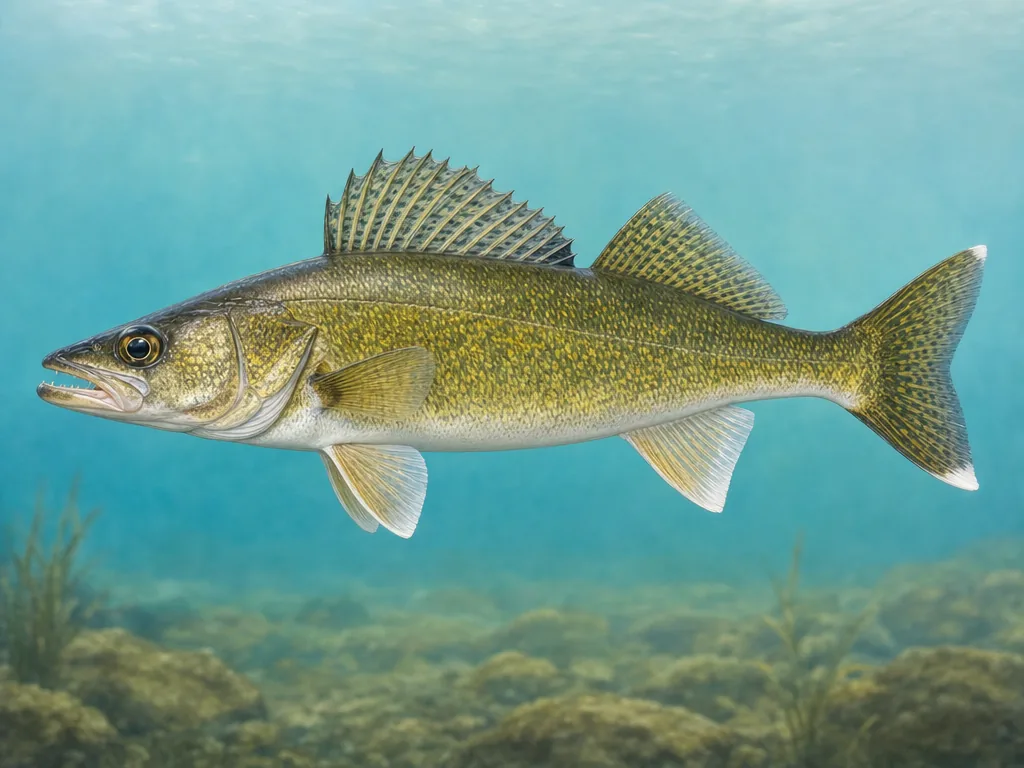
Field-guide illustration of a walleye representing Ohio's Lake Erie and inland reservoir fisheries
Lake Erie supports Ohio's most expansive walleye fishery; inland reservoirs often depend on separate stocking and access programs.

License

Use Ohio DNR for current annual, multiyear, one-day, Lake Erie, youth, and residency requirements.

Ohio fishing licenses

Regulations

Read the current guide and seasonal updates for Lake Erie, tributaries, the Ohio River, trout, and named-water exceptions.

Ohio fishing regulations

Lake Erie is not an oversized inland lake

Wind direction and duration can build waves, change nearshore clarity, and produce dangerous currents. Use the marine zone for the intended port and understand cold-water risk. Walleye and perch limits can receive seasonal attention, while tributary steelhead use stream-specific provisions. A report from the western basin may not describe Cleveland or Ashtabula conditions.

Stocking records have different time horizons

Catchable trout plants create a short seasonal opportunity in selected waters. Steelhead, muskie, walleye, and saugeye programs support multi-year fisheries across rivers and reservoirs. Read species, year, and water together. A long stocking history should guide management understanding, not a same-day waypoint. Cleveland Metroparks adds local plant and access details that do not apply statewide.

Reservoir and river infrastructure matters

Many Ohio reservoirs are flood-control projects with seasonal pools, multiple ramps, and changing shore access. The Ohio River includes navigation dams, commercial traffic, current, and interstate boundaries. Confirm the facility and nearest gauge. Ice is inconsistent during Ohio winters and Lake Erie shore ice can move or fracture. For kept fish, consult the state advisory by species and water instead of assuming a universal meal recommendation.

Choose an area that fits the trip

Lake Erie shore

Toledo, Sandusky, Cleveland, and Ashtabula ports support walleye, perch, bass, trout, and seasonal tributary runs under big-water weather.

Northeast Ohio

Steelhead tributaries, Cleveland Metroparks, inland lakes, and reservoirs create dense shore and river access with flow-sensitive timing.

Central and southwest reservoirs

Alum Creek, Hoover, Buckeye, Caesar Creek, East Fork, and city waters support bass, crappie, catfish, saugeye, and seasonal trout.

Ohio River and southeast

Navigation pools, tributaries, Piedmont-country reservoirs, and Muskingum systems require current, stage, federal projects, and border-water checks.

These internal reports are selected from normalized public stocking records. Confirm live access and regulations with the agency before traveling.

State stocking guide →

Official and local planning resources