prairie lake winterkill and stocking · Lake Sakakawea salmon and walleye · ice fishing under strong wind
What to know before fishing North Dakota
North Dakota fishing centers on Missouri River reservoirs, prairie pothole and community lakes, Red River catfish water, and seasonal trout sites. Check the individual water's record and rule, then ramp status, drought or flood level, wind, algae notice, stocking history, and current ice evidence.
Devils Lake, Sakakawea, Oahe, prairie fisheries districts, and border rivers follow different hydrology. Winter is a major access season, but current, pressure ridges, snow cover, and rapid weather changes make local evidence more important than a date.
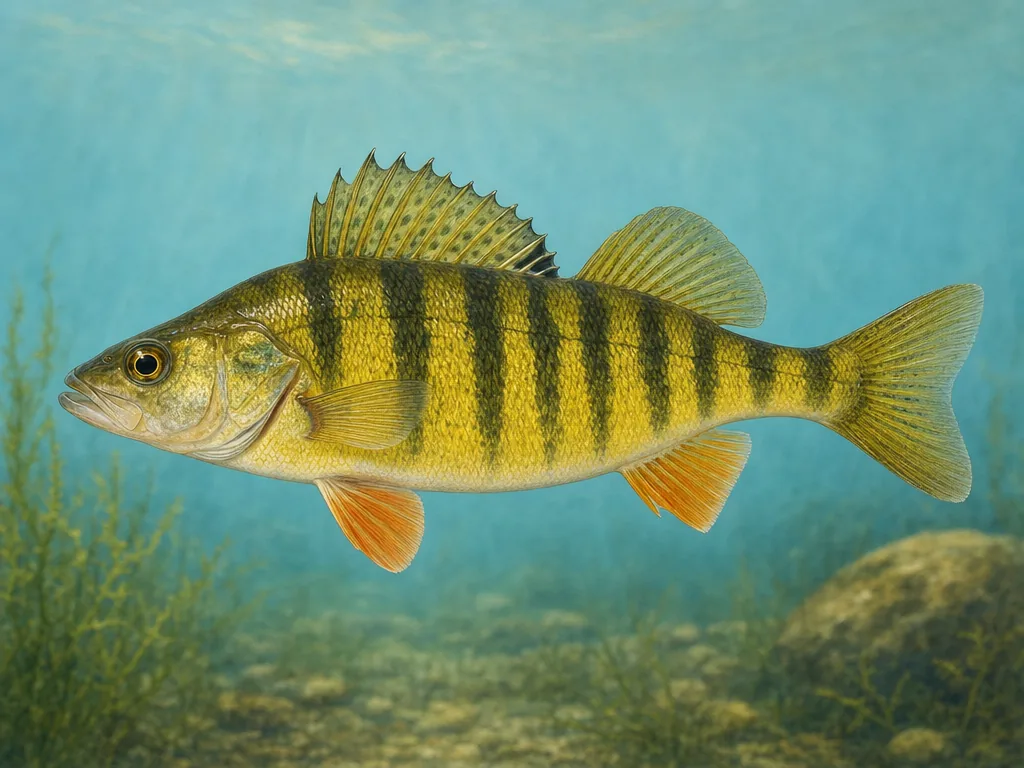
Yellow perch are a prairie-lake and ice-fishing staple, while Sakakawea and border rivers require much larger-scale conditions planning.
License
Use North Dakota Game and Fish for current resident, nonresident, youth, paddlefish, and short-term licensing requirements.
Shallow waters can experience winterkill, drought, or rapid fish-community change. Game and Fish records connect stocking and surveys to a specific lake, which is more useful than a regional species list. Confirm the ramp and current water level; prairie wind can make even a modest lake unsafe and can shift ice conditions along shore.
Reservoir scale changes trip logistics
Lake Sakakawea and Oahe stretch across long distances with bays exposed to different wind. Select the access site before choosing a general lake region. Dam operation, inflows, and seasonal pool affect ramps and tailraces. Salmon stocking represents a multi-year coldwater fishery, while community trout plants have a shorter and more local planning window.
Ice is a condition, not a season date
North Dakota’s long winter encourages vehicle travel on ice, but thickness varies around pressure ridges, current, gas pockets, inlets, and snow. Seek recent local evidence and understand ice-access rules. The Red and Missouri rivers add current and border considerations even in cold weather. For harvested fish, consult the state health guidance; a clean-looking prairie lake does not establish consumption frequency.
Choose an area that fits the trip
Lake Sakakawea and upper Missouri
A vast federal reservoir, Missouri and Yellowstone inflows, bays, and tailrace support walleye, salmon, pike, paddlefish, and coldwater species.
Devils Lake basin
A changing natural lake complex supports walleye, perch, pike, and white bass across flooded roads, numerous ramps, and broad winter access.
Bismarck–Mandan and Lake Oahe
Missouri River reaches, urban ponds, tailwaters, and upper Oahe provide shore, boat, catfish, walleye, trout, and salmon opportunity.
Red River and prairie lakes
Eastern border water, community fisheries, and shallow pothole lakes support catfish, pike, perch, walleye, trout, and seasonal winterkill risk.