Great Lakes salmon and tributary runs · Adirondack brook-trout ponds · New York City watershed permits
What to know before fishing New York
New York fishing spans two Great Lakes, Finger Lakes, Adirondack ponds, Catskill reservoirs, Hudson tidal water, Long Island coast, and thousands of rivers and lakes. Use the exact water's regulations and access source, then pair stocking or survey data with marine weather, river flow, seasonal road, or reservoir permit information.
The state cannot be reduced to an upstate-versus-city split. Lake Ontario salmon ports, western warmwater lakes, Adirondack brook-trout ponds, Catskill tailwaters, New York City water-supply reservoirs, Hudson estuary, and marine districts each have a distinct source path.
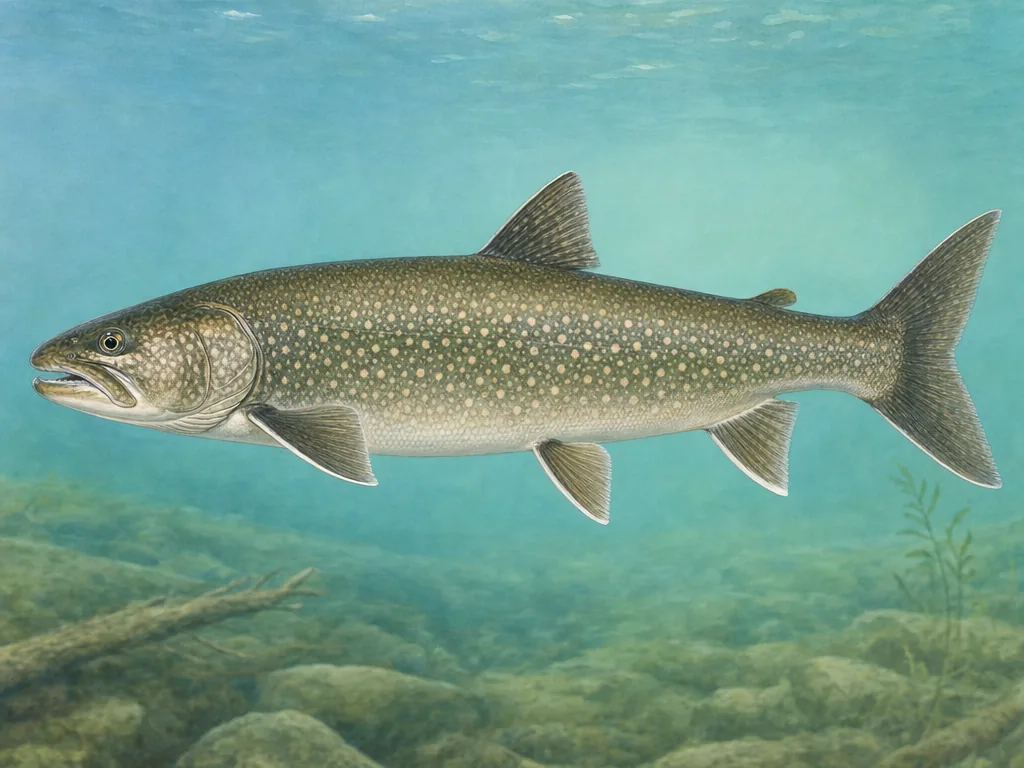
Lake trout span several New York regions, while tributary salmon, Catskill trout, tidal Hudson, and marine fisheries use different rule systems.
License
Use DEC for current resident, nonresident, short-term, age, and marine registry requirements.
New York’s water-specific entries can change season, tackle, harvest, or reach boundaries. Great Lakes tributaries may have provisions that differ from inland streams, and tidal Hudson rules reflect migratory species. Search the exact water and county. A stocking list establishes recent or planned agency work but does not supersede a closure or establish public access.
Watershed access can require a second permit
New York City reservoir lands in the Catskills and Hudson Valley use DEP access permits and boat-registration rules in addition to state fishing requirements. Designated areas protect drinking water, so an informal path is not permission. Adirondack ponds introduce a different access challenge: seasonal roads, long carries, invasive-species procedures, and remote conditions.
Great Lakes and ocean trips need different forecasts
Lakes Erie and Ontario create dangerous waves and cold-water exposure under wind that may look modest on land. Long Island and harbor trips follow tides, marine weather, and saltwater rules. Select the correct forecast zone. Ice also varies widely across inland regions; seek current local evidence. New York’s health advice is water- and species-specific, particularly in large lakes, rivers, and the Hudson system.
Choose an area that fits the trip
Western New York and Great Lakes
Erie and Ontario ports, Niagara River, tributary runs, Finger Lakes, and inland waters support trout, salmon, walleye, bass, and perch.
Adirondacks and North Country
Remote ponds, large lakes, St. Lawrence water, and forest rivers involve seasonal roads, carries, native brook trout, and border rules.
Catskills and Hudson Valley
Tailwaters, freestone streams, reservoirs, tidal Hudson, and tributaries combine trout traditions with city water-supply and estuary rules.
New York City and Long Island
Park lakes, harbor edges, sound, ocean beaches, and East End access depend on city parks, marine registry, tides, and local closures.