NM

Fishing in New Mexico

Rio Grande cutthroat restoration · pueblo and tribal permit waters · wildfire, drought, and monsoon access

What to know before fishing New Mexico

New Mexico fishing follows elevation, drought, wildfire, and jurisdiction. Alpine lakes, Rio Grande tributaries, high-desert reservoirs, Albuquerque ponds, federal lands, pueblos, and tribal lakes can require different permits and access. Check the named water's rule, stocking report, land manager, flow, level, closure, and fish advisory.

Coldwater habitat concentrates in northern and mountain waters, while reservoirs and community ponds support trout, kokanee, bass, catfish, walleye, and panfish under large temperature and level changes. Native Rio Grande cutthroat restoration adds special conservation context.

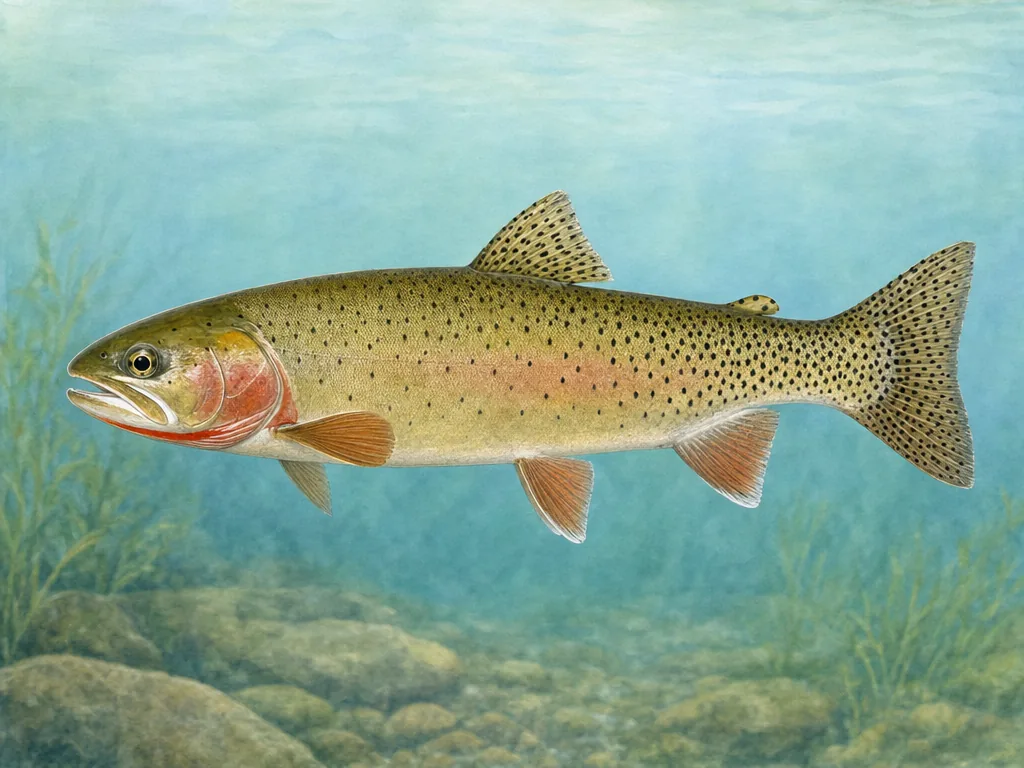
Field-guide illustration of a cutthroat trout representing New Mexico's native Rio Grande cutthroat mountain waters
Rio Grande cutthroat recovery gives selected headwaters special importance, while reservoirs and community ponds support broader stocked fisheries.

License

Use the New Mexico Department of Game and Fish for current resident, nonresident, habitat stamp, habitat management, and short-term requirements.

New Mexico fishing licenses

Regulations

Read current statewide rules, special trout waters, warmwater exceptions, closures, bait provisions, and land-specific permit requirements.

New Mexico fishing rules

Jurisdiction can change at a property line

Pueblo and tribal waters may require permits and rules issued by the sovereign nation, not a New Mexico state license. Federal park, forest, and refuge waters also add entry, reservation, or closure systems. Identify the land manager before selecting the route. Respect closures and do not infer access from a stream crossing on a public highway.

Fire and monsoon are opposite hazards

Spring fire restrictions can close forests, roads, or entire recreation areas during dry weather. Summer monsoon storms can then create flash floods, debris, and impassable roads far from the rain cell. Check the land manager immediately before departure. A weekly fishing report may note conditions but cannot replace an emergency closure order.

Stocking varies with elevation and water supply

Community ponds and mountain waters receive fish under different temperature and access windows. Reservoir stocking often supports longer-term kokanee, walleye, or trout management. Read the date and water, then check current level, oxygen or algae notices, and regulations. Winter ice at Eagle Nest and other high waters remains local evidence, not a calendar guarantee; inlets and changing weather demand continual reassessment.

Choose an area that fits the trip

Northern mountains

Chama, Jemez, Pecos, Red River, Cimarron, high lakes, and forest reservoirs support trout under snow, monsoon, fire, and road constraints.

Albuquerque and middle Rio Grande

Tingley Beach, community ponds, Rio Grande access, and nearby reservoirs provide urban trout, catfish, bass, and river opportunities.

Northeast plains and reservoirs

Eagle Nest, Ute, Conchas, Clayton, and smaller waters support trout, kokanee, walleye, bass, catfish, and ice fishing.

South and southwest

Elephant Butte, Caballo, Gila waters, and desert community lakes respond to drought, heat, federal land, and long travel distances.

These internal reports are selected from normalized public stocking records. Confirm live access and regulations with the agency before traveling.

State stocking guide →

Official and local planning resources