New Hampshire fishing ranges from White Mountain streams and remote trout ponds to Lake Winnipesaukee, Connecticut River border water, city parks, tidal Great Bay, and a short Atlantic coast. Check the individual water's rule and access, then stocking, seasonal road, flow, lake weather, tide, or ice conditions.
Elevation and glacial lake geography make the northern and central state distinct from the Merrimack corridor and seacoast. Landlocked salmon and lake trout management, wild brook-trout water, boundary rules, and winter access each require a specific source.
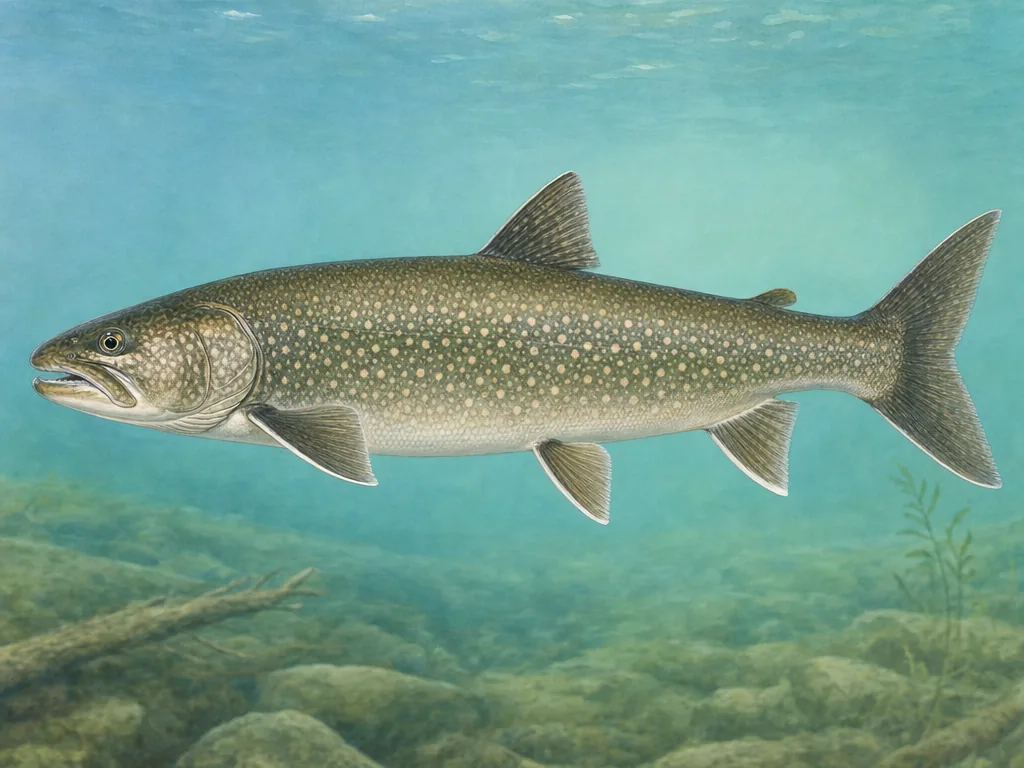
Lake trout and landlocked salmon define selected large lakes; designated trout ponds and mountain streams follow different rules.
License
Use New Hampshire Fish and Game for current freshwater, saltwater, short-term, youth, and residency requirements.
New Hampshire designates lake-trout and salmon waters and certain trout ponds with seasons or methods that differ from general rules. Search the exact water and confirm whether ice fishing is allowed. A stocking report shows recent plants, but a salmon or lake trout program is understood over multiple years and does not remove water-specific limits.
Northern access is seasonal infrastructure
White Mountain and North Country roads can close for mud, snow, washouts, or timber operations. Remote ponds may require trail travel and land-manager confirmation. The Connecticut River and Umbagog add border-water provisions; choose the bank and access jurisdiction deliberately rather than assuming reciprocity covers every tributary.
Ice and tide demand local evidence
Natural ice varies around current, narrows, springs, pressure ridges, and snow. State rules do not certify thickness, and recent weather can invalidate an older report. On the seacoast, Great Bay’s strong tides and cold water require a different safety plan. Match the tide station and marine forecast to the access. Consumption guidance also changes between inland fish and marine species.
Choose an area that fits the trip
White Mountains and North Country
Cold streams, remote ponds, Connecticut Lakes, and forest roads support brook trout, landlocked salmon, lake trout, and seasonal access.
Lakes Region
Winnipesaukee, Squam, Winnisquam, Newfound, and smaller lakes support salmonids, bass, panfish, and extensive boating and ice activity.
Merrimack Valley
Manchester, Concord, river reaches, park ponds, and reservoirs provide urban trout, bass, catfish, and seasonal migratory fish access.
Seacoast and Great Bay
Tidal rivers, estuary, piers, beaches, and nearshore water require marine registration, tide, weather, and protected-resource checks.