desert community ponds · Pyramid Lake tribal jurisdiction · drought and reservoir access
What to know before fishing Nevada
Nevada fishing is a water-and-elevation puzzle: Las Vegas park ponds, Colorado River reservoirs, Great Basin streams, high Sierra lakes, tribal Pyramid Lake, and remote northern reservoirs respond differently to heat, drought, snow, wind, and jurisdiction. Check the exact permit and water rule, then current access and conditions.
Scarce water makes individual systems unusually important. Hatchery plants support community and coldwater opportunity, while native Lahontan cutthroat recovery, interstate Lake Tahoe, federal Colorado River reservoirs, and reservation waters add regulatory layers that cannot be collapsed into one state guide.
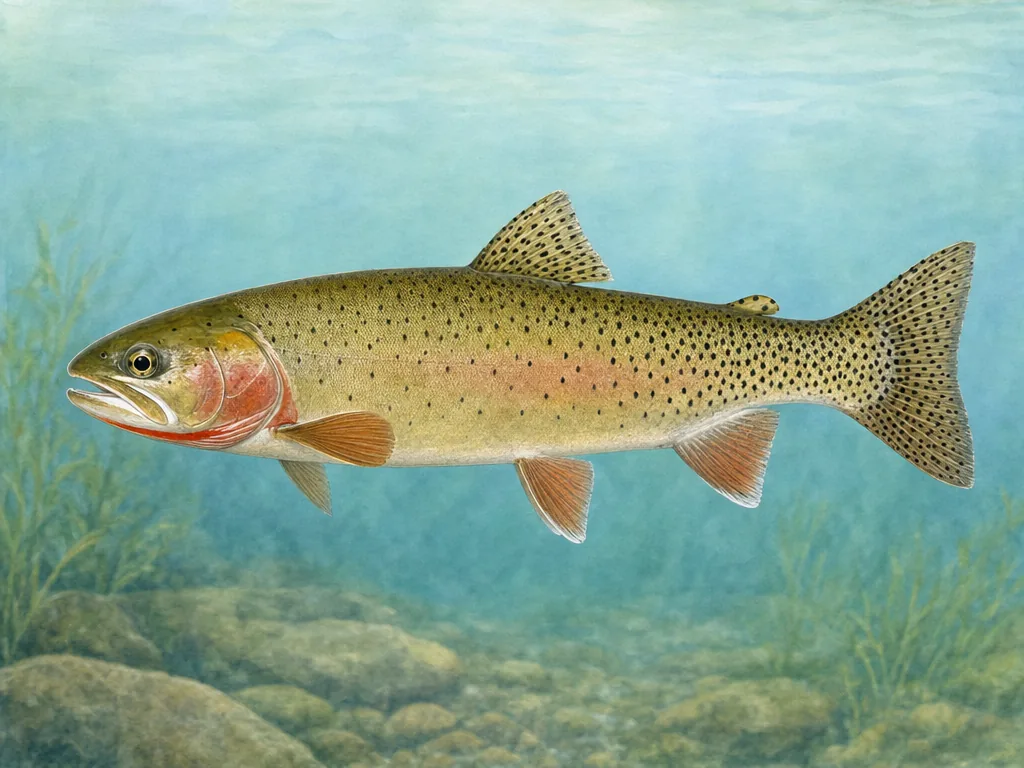
Lahontan cutthroat connect Great Basin conservation with Pyramid Lake's tribal fishery and selected state-managed waters.
License
Use the Nevada Department of Wildlife for current resident, nonresident, youth, interstate, and short-term license requirements.
At Lake Mead and other desert reservoirs, declining or rising water can relocate shoreline, close ramps, expose hazards, and lengthen carries. Check the specific launch and heat forecast. Summer shore trips can become dangerous before fish activity is the main concern; bring more water than a short map distance suggests and avoid relying on nonexistent shade.
Pyramid Lake is a tribal fishery
Pyramid Lake Paiute Tribe permits and regulations control fishing on reservation waters. A Nevada state license does not substitute for tribal authorization. Read current beach, season, method, and closure information from the Tribe. This jurisdiction is central to Lahontan cutthroat recovery and should not be treated as a side exception.
Elevation creates opposite seasons
Las Vegas community ponds receive cool-season trout when desert temperatures allow, while high Great Basin and Sierra waters can remain snowbound. Truckee and other rivers respond to releases and drought. Use stocking data only after checking the water rule and access. Lake Tahoe adds interstate regulations and boat-inspection procedures. Remote northern travel also needs wildfire, road, and communication planning well beyond a species list.
Choose an area that fits the trip
Las Vegas and lower Colorado
Community ponds, Lake Mead, Lake Mohave, and Colorado River reaches support urban trout, striped bass, catfish, and warmwater fishing under extreme heat.
Reno, Tahoe, and Truckee
Interstate Lake Tahoe, Truckee River, urban ponds, and Sierra waters require California boundary, flow, snow, and invasive-species checks.
Pyramid and northwest basins
Pyramid Lake's tribal fishery, Lahontan cutthroat restoration, desert rivers, and terminal lakes use permits and rules outside ordinary state access.
Great Basin and northeast
Ruby Mountain streams, high lakes, ranch-country reservoirs, and remote public lands depend on snow, drought, wildfire, roads, and long travel.