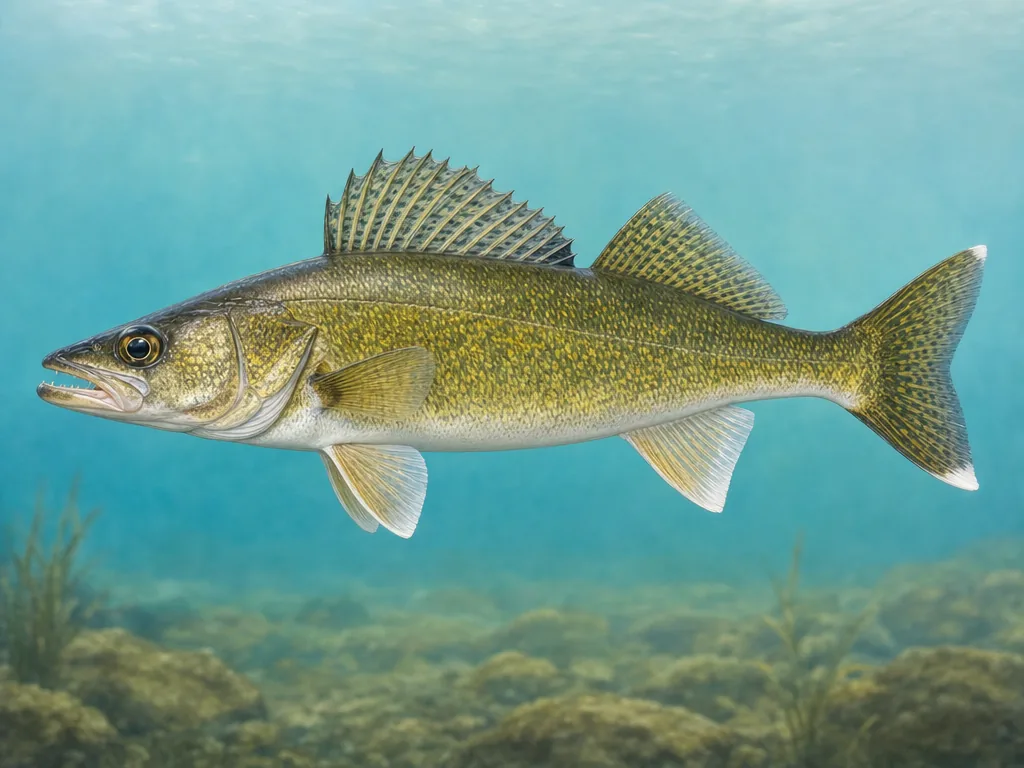
Nebraska fishing includes Sandhills lakes, large irrigation and flood-control reservoirs, Missouri River reaches, prairie streams, and frequently stocked city waters. Check the individual lake or river rule, public access, stocking schedule, reservoir elevation, river stage, wind, algae notice, and current ice evidence.
Water supply and landscape drive regional differences. Western reservoirs fluctuate with irrigation, Sandhills lakes can be shallow and vegetation-rich, eastern urban waters emphasize bank access, and border rivers involve current, navigation, and reciprocal-license questions.
Walleye are prominent in Nebraska reservoirs, while community trout and Sandhills fisheries operate on different habitat and seasonal patterns.
License
Use Nebraska Game and Parks for current resident, nonresident, youth, paddlefish, and short-term permit requirements.
Western and central reservoirs can lose substantial elevation as water is delivered. A ramp that works in spring may be unusable later, and exposed points or submerged hazards change navigation. Check current elevation and the specific facility. Wind across open prairie can become the larger safety issue even when water level is adequate.
Sandhills access needs a property map
The Sandhills contain unique lakes and spring systems, but much of the surrounding land is private. Use the public access atlas and refuge or wildlife-area rules; a visible road or shoreline is not an invitation. Shallow lakes may experience vegetation changes, winterkill, or water-quality shifts, making current fisheries information more useful than an old species list.
Community stocking is date-specific
Nebraska plants trout in selected city lakes and coolwater sites when temperatures fit the program. Confirm the current schedule and city park hours. Historical warmwater stockings have a longer management horizon. On the Missouri River, current, sandbars, and bank jurisdiction replace the small-lake access model. Natural ice is never guaranteed, so use current local observations and reassess after wind or warming.
Choose an area that fits the trip
Omaha and eastern Nebraska
Metro lakes, Missouri River access, Platte tributaries, and state recreation areas support stocked trout, catfish, bass, panfish, and river species.
Sandhills
Natural lakes, refuge waters, spring-fed streams, and remote public access support perch, pike, bass, panfish, and selected trout fisheries.
Central reservoirs
McConaughy, Johnson, Sherman, Calamus, and canal systems combine walleye, white bass, catfish, trout, irrigation drawdown, and wind.
Missouri and western river systems
Border water, Niobrara, Republican, and Platte reaches require stage, access, sandbar, and sometimes interstate rule checks.