MO

Fishing in Missouri

spring-fed trout parks · Ozark reservoir fishing · Missouri and Mississippi River stages

What to know before fishing Missouri

Missouri fishing divides among spring-fed Ozark trout water, large reservoirs, urban winter trout lakes, warm rivers, and the Missouri and Mississippi main stems. Check whether a trout area uses daily tags, seasonal catch-and-release rules, or statewide privileges, then confirm the park, lake manager, river stage, and advisory for the exact water.

Karst springs make coldwater fishing possible in the Ozarks, while impoundments such as Truman, Table Rock, and Lake of the Ozarks support broad warmwater fisheries. Kansas City and St. Louis programs add close-to-home access, and big rivers demand a separate current and navigation plan.

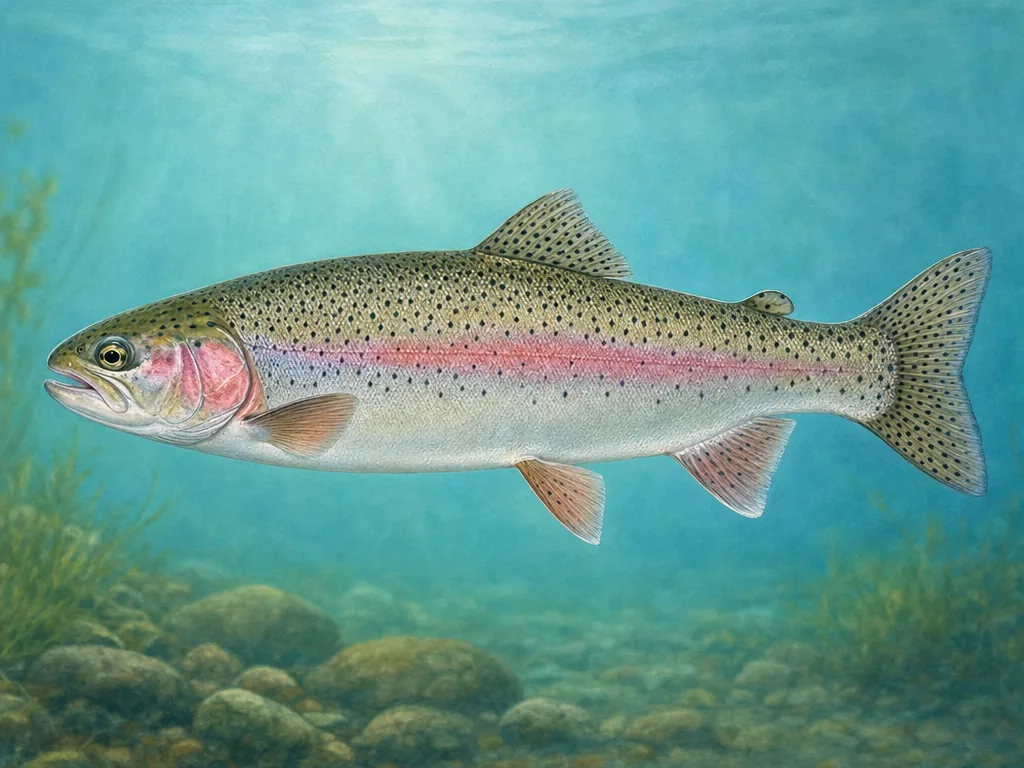
Field-guide illustration of a rainbow trout representing Missouri's hatchery-supported Ozark springs and winter urban lakes
Cold Ozark springs support Missouri's trout program; reservoirs and big rivers remain predominantly warmwater systems.

License

Use the Missouri Department of Conservation for current resident, nonresident, trout, border-water, and daily permit requirements.

Missouri fishing permits

Regulations

Read statewide rules plus trout-area, special-management, reservoir, paddlefish, and border-water provisions.

Missouri fishing regulations

A trout park is its own system

Missouri’s trout parks combine intensive stocking, defined zones, daily tags, opening times, and seasonal rule changes. They should not be planned like a general Ozark stream. Elsewhere, blue-, red-, and white-ribbon designations communicate different management goals and harvest rules. Check the named reach and current season before selecting bait or assuming retention.

Reservoir access moves with level

Table Rock, Truman, and other large impoundments spread ramps and parks across long shorelines. Flood-control operations, high water, or drought can close a preferred ramp while another remains usable. USACE and lake operators are the right sources for infrastructure. Stocking history for walleye, muskie, or striped fish is long-term management context rather than a same-week location signal.

Big rivers require current awareness

The Missouri and Mississippi carry barge traffic, strong current, floating debris, and changing stage. Bank access can disappear at high water; low water can expose hazards and isolate ramps. Confirm the gauge near the intended reach and understand tributary effects. Urban winter trout lakes offer a more contained alternative near Kansas City and St. Louis, but city park hours and the seasonal trout rule still need confirmation.

Choose an area that fits the trip

Ozark trout country

Spring branches, trout parks, Current River, and special-management reaches use cold groundwater, stockings, daily tags, and distinct seasonal rules.

Southwest reservoirs

Table Rock, Bull Shoals, Stockton, and Pomme de Terre support bass, crappie, walleye, catfish, and muskie under changing levels and ramps.

Central Missouri

Lake of the Ozarks, Truman, smaller conservation lakes, and Missouri River access serve both destination and local fishing.

Kansas City and St. Louis

Urban lakes, major rivers, county parks, and winter trout programs require city or county access checks alongside MDC rules.

Official and local planning resources