MA

Fishing in Massachusetts

live trout stocking reports · water-supply reservoir rules · Cape Cod surf and kettle ponds

What to know before fishing Massachusetts

Massachusetts fishing combines frequently updated trout plants, kettle ponds, major water-supply reservoirs, urban rivers, tidal estuaries, Cape Cod beaches, and offshore water. Confirm freshwater or marine requirements, then the individual water, property access, stocking date, tide, weather, and fish-consumption advice.

The state's compact map spans Berkshire coldwater streams, central reservoir country, Boston Harbor tributaries, Cape kettle ponds, and a long Atlantic shoreline. Water-supply rules, town ownership, saltwater registration, and seasonal beach access create meaningful local differences.

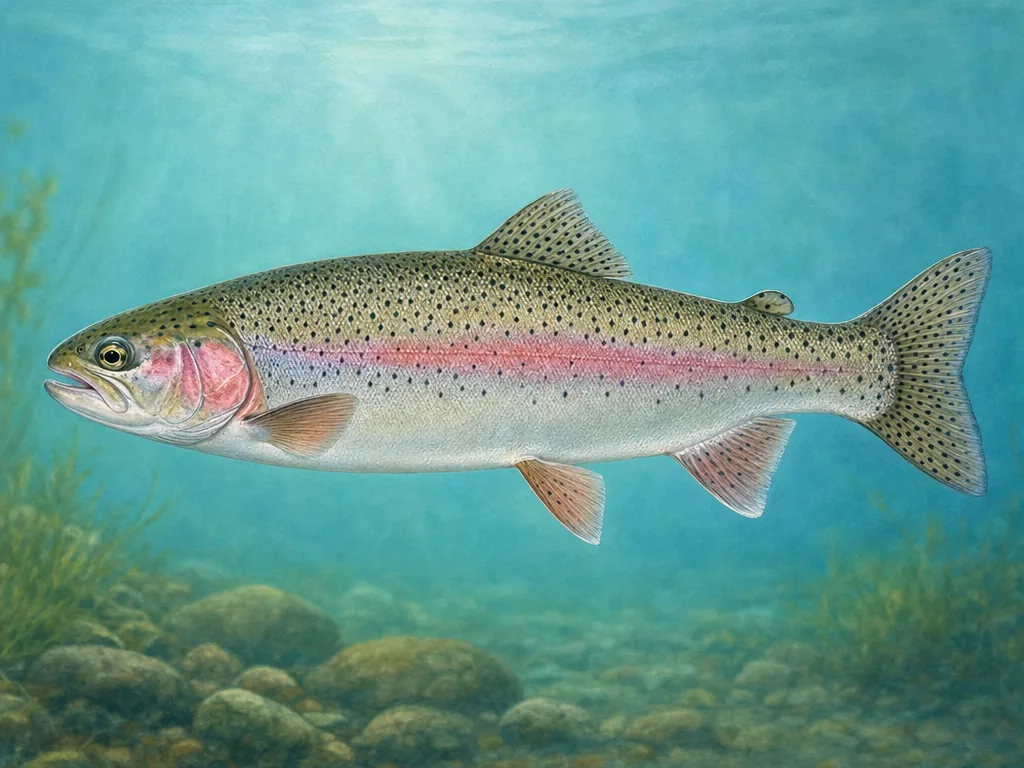
Field-guide illustration of a rainbow trout representing Massachusetts's spring and fall stocked ponds and streams
Massachusetts updates trout plants during the season, but local property rules and water conditions still determine usable access.

License

Use MassWildlife for current freshwater license requirements; marine anglers should verify the separate saltwater permit and exemptions.

Massachusetts freshwater fishing licenses

Regulations

Read current statewide seasons and limits plus waterbody, bait, interstate, reservoir, and property-specific provisions.

Massachusetts freshwater fishing regulations

A live plant report has a narrow job

MassWildlife’s report is useful for recent trout activity, especially during spring and fall. It does not show whether a town gate is open, a reservoir has special gear rules, or a shoreline crosses private land. Confirm the pond map and property manager. Recently stocked water can also receive immediate pressure, so the report should inform timing without being treated as a catch promise.

Water-supply reservoirs are special properties

Quabbin and Wachusett protect drinking water and carry access, season, boat, bait, and shoreline rules beyond ordinary state fishing regulations. Boston-area reservoirs may be closed to fishing altogether or limited by local authority. Do not infer public access from a visible shoreline. Read the water supplier’s rule and enter only through designated areas.

Cape planning crosses fresh and salt water

Cape Cod’s kettle ponds can offer trout and warmwater fishing a short distance from surf, canal, or bay access. These trips use different licenses and conditions. Beach vehicle corridors and protected-species closures can move during the season. Check the local tide and marine forecast, then the national seashore or town beach notice. Consumption advice also differs among freshwater ponds, harbor fish, and offshore species.

Choose an area that fits the trip

Berkshires and western rivers

Housatonic tributaries, hilltown ponds, and cold streams support trout and warmwater species amid seasonal roads and mixed ownership.

Central Massachusetts

Quabbin, Wachusett, Connecticut River tributaries, and state ponds combine shore restrictions, large reservoirs, trout, salmon, bass, and panfish.

Greater Boston

Charles, Mystic, Neponset, Jamaica Pond, harbor piers, and suburban reservoirs offer dense access under city, state, and water-authority rules.

Cape Cod and islands

Kettle ponds, tidal creeks, beaches, canals, and island shorelines require freshwater, marine, town, tide, and seasonal closure checks.

Official and local planning resources