Start with access, not a lake name
Kansas has thousands of impoundments, but not every attractive pond is open to the public. The Walk-In Fishing Access program and Community Fisheries Assistance Program solve different access problems: one enrolls private waters, while the other helps communities open and manage local lakes. Both should be checked against current maps and posted signs because participation and site conditions can change.
Large reservoirs are easier to identify but harder to generalize. A falling pool can close a ramp or concentrate fish; prairie wind can make an exposed main lake unsafe; and special length limits can differ among neighboring waters. The lake-specific forecast and regulation are more valuable than a statewide species summary.
Crappie and walleye lead to different water choices
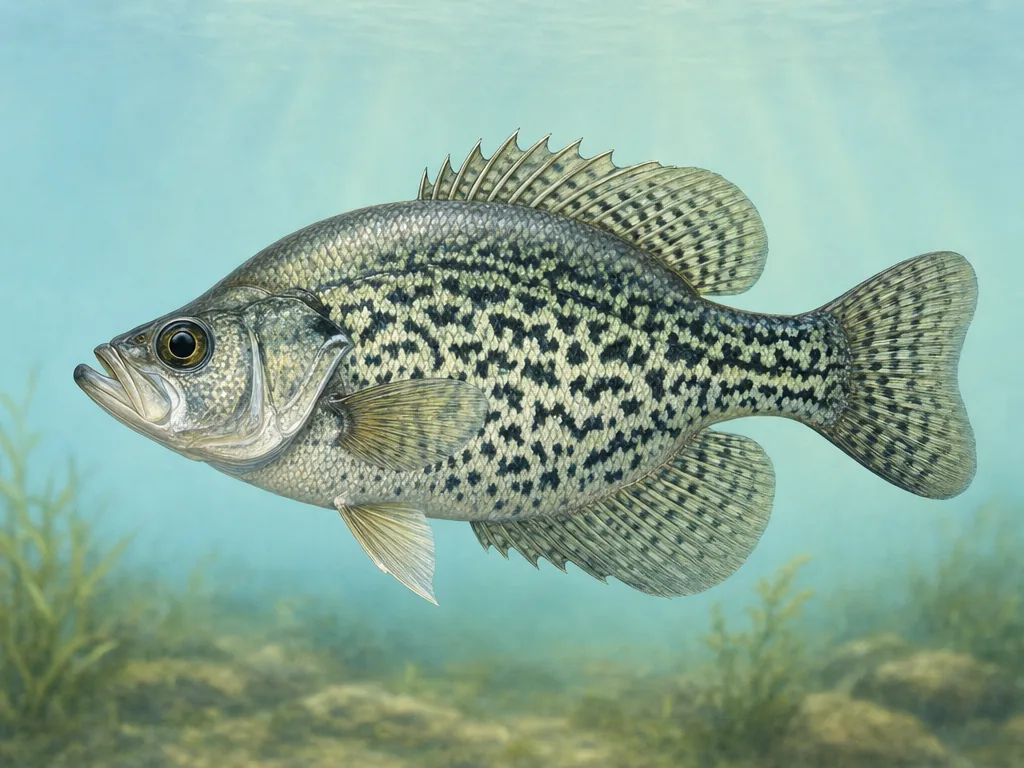
Crappie fishing often revolves around brush, flooded timber, bridge structure, and seasonal movement into protected coves. Walleye planning puts greater emphasis on reservoir points, dam faces, wind-blown shorelines, and spring spawning windows. Stocking records show management history, but they do not reveal today’s water level or guarantee adult abundance.
Do not overlook city water
Wichita, Johnson County, and many smaller communities maintain waters that can turn a full-day reservoir plan into a short bank-fishing trip. Confirm local park hours, boating limits, and posted rules in addition to the state license. Seasonal trout waters also may require a permit that is irrelevant to a summer catfish outing at the same site.