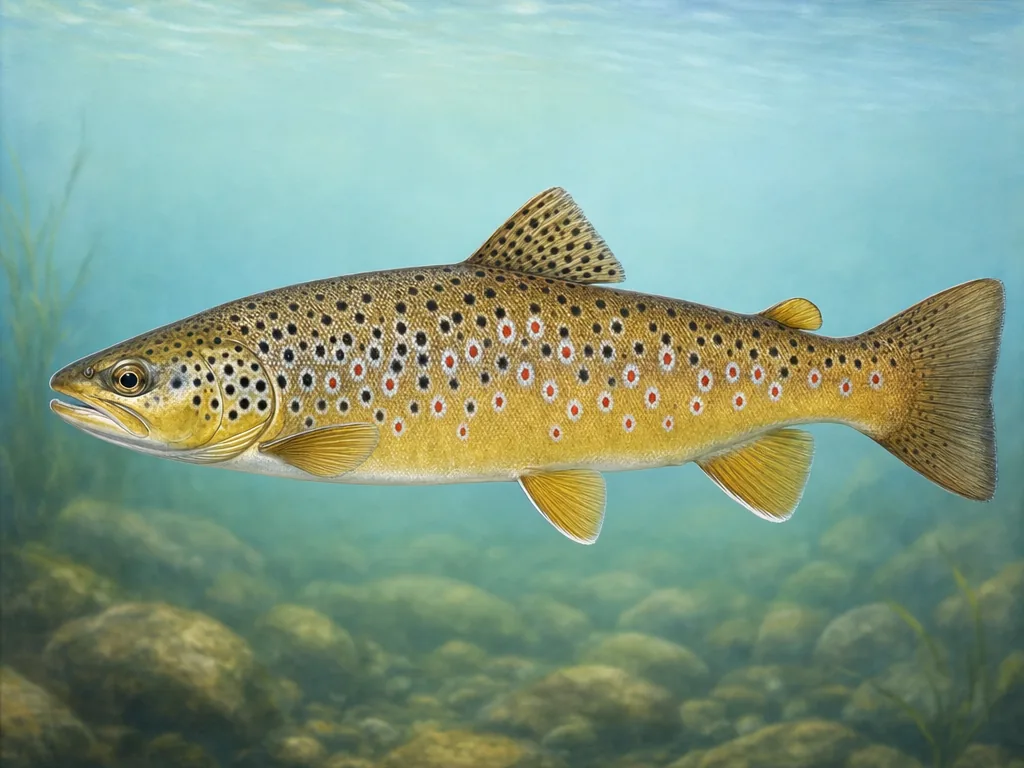
Iowa fishing has three especially different systems: hatchery-supported and put-and-grow trout streams in the northeast, warmwater lakes and urban ponds across the interior, and Mississippi or Missouri River fisheries on the borders. Check the exact trout category or lake rule, then local access, river stage, water quality, or ice conditions.
The Driftless Area gives Iowa a coldwater fishery unlike most of the state, while prairie reservoirs, oxbows, gravel pits, city lakes, and border rivers support bass, crappie, catfish, walleye, and panfish. Seasonal stocking can make a neighborhood lake timely, but watershed conditions remain decisive.
Northeast Iowa's cold spring creeks create a locally distinctive trout program within a mostly warmwater and big-river state.
License
Use Iowa DNR for current resident, nonresident, short-term, and trout fee requirements and purchasing options.
Iowa’s trout opportunity clusters in the northeast where groundwater keeps streams cool. Some reaches receive frequent catchable plants, others support put-and-grow fish or natural reproduction, and access may cross easements rather than broad public land. Use the stream map and posted boundaries. An urban winter trout event is a different program with a specific date and local lake rule.
Prairie lakes respond to their watersheds
Interior lakes can change after algae blooms, sediment, heavy rain, vegetation treatments, or winterkill. Habitat projects and fish renovations may reset a lake’s population. Read the DNR lake entry and recent local notice before relying on an old species list. At Des Moines-area reservoirs, flood-control levels can close ramps or alter shore access even when the lake remains open.
Border rivers require stage and boundary checks
Mississippi River pools and backwaters change with stage, current, and navigation. Missouri River access can be separated by shifting channels and long distances between ramps. Confirm reciprocal license provisions and which state’s bank is used. Ice on lakes and backwaters is never uniform; seek current local observations, avoid current areas, and treat warm weather or changing river stage as reasons to reassess.
Choose an area that fits the trip
Northeast Iowa
Driftless spring creeks and wooded valleys support stocked, put-and-grow, and naturally reproducing trout under stream-specific access and rules.
Des Moines and central Iowa
Saylorville, Red Rock, city lakes, and suburban ponds provide reservoir, river, and seasonal community fishing near the largest metro.
Iowa Great Lakes and northwest
Okoboji, Spirit Lake, glacial waters, and prairie lakes support walleye, perch, bass, northern pike, and ice fishing.
Mississippi and Missouri rivers
Pools, backwaters, wing dams, and tributary mouths require current stage, navigation, boundary, and ramp information.
Stocking records for selected waters
These internal reports are selected from normalized public stocking records. Confirm live access and regulations with the agency before traveling.