IL

Fishing in Illinois

Chicago urban fishing · spring and fall trout seasons · Lake Michigan salmon and trout

What to know before fishing Illinois

Illinois offers very different trips in Chicago lagoons, stocked spring and fall trout lakes, prairie reservoirs, large rivers, and Lake Michigan. Confirm the site-specific rule and season before traveling: a listed trout lake can be closed before opening day, river conditions can erase bank access, and the Great Lakes require marine weather judgment.

The practical statewide map is a set of regional systems rather than a ranking: Chicago and collar-county park waters, northern glacial lakes, central reservoirs, Mississippi and Illinois River corridors, southern impoundments, and the Lake Michigan shoreline. Each has a different access authority.

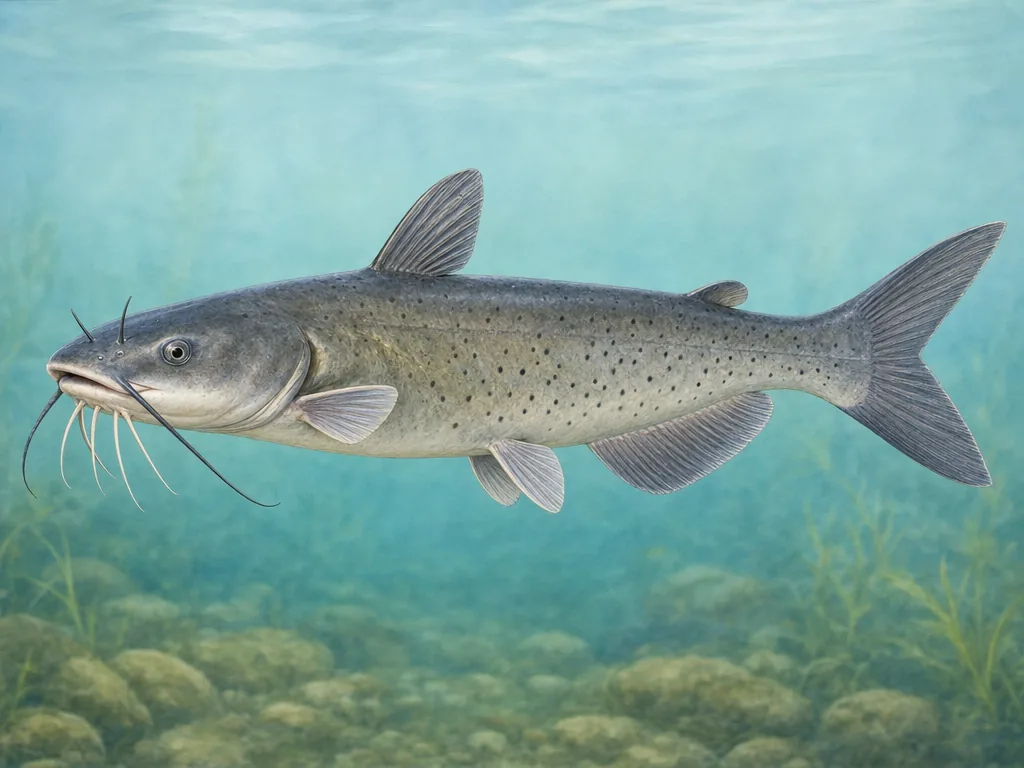
Field-guide illustration of a channel catfish representing Illinois park lakes, reservoirs, and large rivers
Channel catfish connect Illinois urban ponds, reservoirs, and river systems, while trout and Lake Michigan fisheries follow separate seasonal rules.

License

Review current license, Lake Michigan salmon stamp, and inland trout stamp requirements before purchasing through an authorized state channel.

Illinois fishing licenses

Regulations

Use the current regulation digest and site-specific rules; park districts and managed sites can impose additional hours or restrictions.

Illinois fishing regulations

Urban access is genuinely local

Chicago-area fishing is not one municipal program. City lagoons and harbors, Cook County forest-preserve lakes, collar-county waters, and IDNR sites have separate parking, hours, boat, and harvest provisions. Read the operator’s page after finding a water in the state directory. A shoreline that looks continuous on a map may include a closed harbor edge, preserve hours, or a park-specific restriction.

Illinois stocks selected waters for spring and fall trout seasons. Plants may occur while a site is closed to trout fishing, so a stocking announcement is not permission to begin early. Confirm the opening date, inland trout stamp requirement, daily limit, and exact lake. Some sites participate in one season but not the other, making last year’s list unreliable for a current trip.

Big water needs a conditions plan

Lake Michigan and the Mississippi, Ohio, Illinois, and Rock rivers require more than species research. Wind can make the lakefront unsafe; river stage can submerge ramps or eliminate bank space. Large reservoirs such as Shelbyville also spread access among several parks. Check the closest marine forecast or river gauge and the site manager, then use the fish-advisory table if the catch will be kept for food.

Choose an area that fits the trip

Chicago and Cook County

Harbors, lagoons, park ponds, and forest-preserve lakes create dense public access with site hours, parking, and seasonal stocking differences.

Northern Illinois

Fox Chain O'Lakes, Rock River, forest-preserve lakes, and Rockford-area waters combine boating, river, and stocked-trout options.

Central river and reservoir country

The Illinois River, Sangchris, Shelbyville, Clinton, and Bloomington-area waters depend on levels, wind, ramps, and managing-agency rules.

Southern Illinois

Rend, Carlyle, Crab Orchard, and Shawnee-region lakes offer larger impoundments and public land access well beyond the Chicago orbit.

Official and local planning resources