ID

Fishing in Idaho

steelhead and salmon rivers · family fishing waters · long-term stocking history

What to know before fishing Idaho

Idaho fishing changes sharply from Panhandle lakes to Clearwater steelhead water, Boise-area family ponds, Snake River reservoirs, and remote mountain lakes. Use the Fishing Planner to connect each water with facilities, species, rules, and stocking history; then check the current regional rule and any anadromous-fish notice before leaving.

Idaho's public tools are unusually deep. The stocking forecast answers what may receive catchable fish soon, the historical database shows long-term plants, and the Fishing Planner brings maps, access inventory, species, and special rules together for more than 12,000 waters.

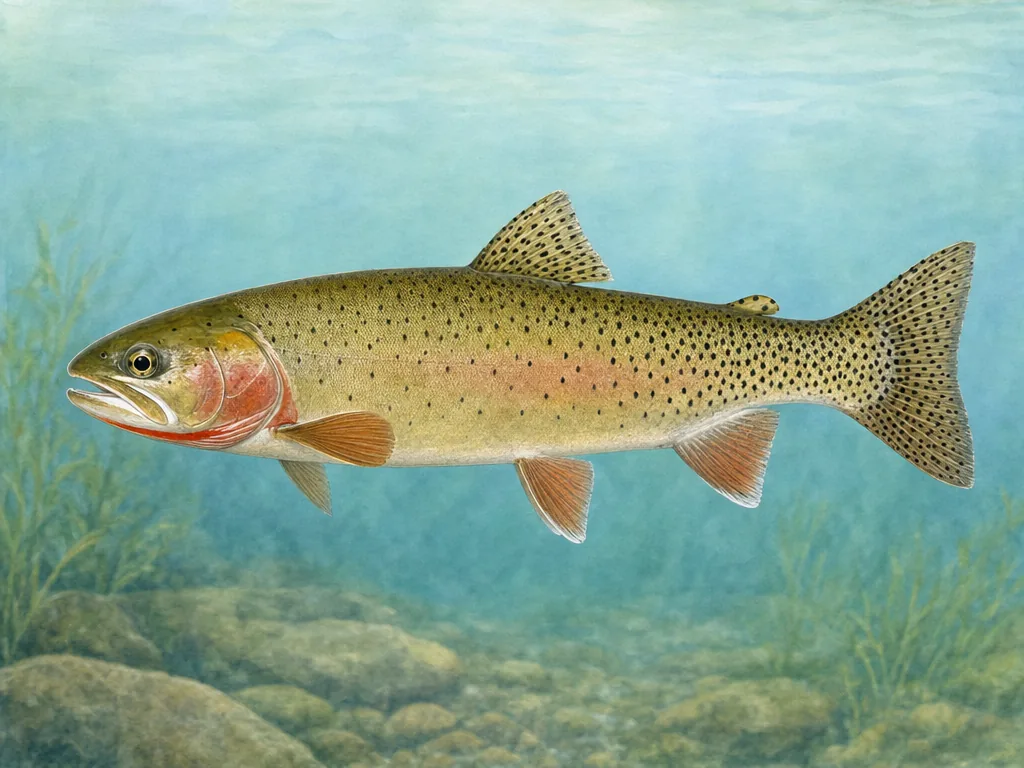
Field-guide illustration of a cutthroat trout representing Idaho's native trout and mountain fishing waters
Cutthroat trout are central to many Idaho fisheries, but subspecies, harvest rules, and conservation goals vary by drainage.

License

Use Idaho Fish and Game's license center for current products and confirm whether salmon or steelhead fishing requires an additional permit and validation.

Idaho licenses, tags, and permits

Regulations

Start with the statewide rule booklet, then read the map and special-rule entries for the Fish and Game region and named water you intend to fish.

Idaho fishing seasons and rules

Pick the region before the species

Idaho is too long and topographically varied for one statewide tactic. A June pond trip near Boise may be built around freshly stocked rainbows, while a Clearwater plan depends on a steelhead season and river section, and a Panhandle lake trip may center on kokanee, warmwater fish, or large native predators. The regional map in the rule booklet is therefore a planning tool, not just an administrative boundary.

The Fishing Planner helps resolve names that repeat across the state. Its facility inventory can distinguish a family water with docks and restrooms from a remote lake with no developed access, while the stocking history shows whether a plant was catchable fish or small fingerlings meant to mature.

Steelhead is a separate decision path

Idaho steelhead fishing involves more than a general fishing license. Runs are divided into river sections and seasons, hatchery and wild fish are treated differently, and emergency changes can respond to returns or river conditions. Consult the current anadromous rules after choosing a drainage and carry the required permit and validation.

Forecasts are not delivery receipts

The catchable forecast is excellent for narrowing a month and region, but its dates and quantities are approximate. Weather, water quality, hatchery operations, and access can move a plant. Use historical records to understand a water’s pattern, then check current Fish and Game notices and local conditions close to departure.

Choose an area that fits the trip

Panhandle Region

Large natural lakes, forest reservoirs, and tributaries around Coeur d'Alene and Sandpoint offer a mixed fishery where invasive-species rules and lake-specific limits deserve attention.

Clearwater and Salmon rivers

Steelhead and salmon runs make season updates, permit requirements, river-section boundaries, and emergency changes central to any trip plan.

Southwest Idaho

Boise River reaches, municipal ponds, and reservoirs give the Treasure Valley accessible choices, with family waters receiving regular catchable trout.

Upper Snake and mountain country

Eastern reservoirs, high lakes, and Yellowstone-adjacent waters follow elevation, ice, and road access; remote plants may be small fish intended for later seasons.

These internal reports are selected from normalized public stocking records. Confirm live access and regulations with the agency before traveling.

State stocking guide →

Official and local planning resources