FL

Fishing in Florida

freshwater and saltwater license boundaries · largemouth bass and managed lakes · tides, estuaries, and red tide

What to know before fishing Florida

Florida requires an early freshwater-or-saltwater decision, even where rivers and estuaries meet. Confirm the license and species rule, then check the exact Fish Management Area, wildlife area, park, or coastal zone for local restrictions. Tides, heat, storms, red tide, and water releases can change a practical plan without changing the statewide season.

The peninsula is a connected but varied fishing landscape: spring-fed rivers, phosphate and natural lakes, floodplain systems, canals, seagrass flats, mangrove shorelines, reefs, and the Everglades. Useful planning comes from matching the managing agency and environmental signal to that specific water.

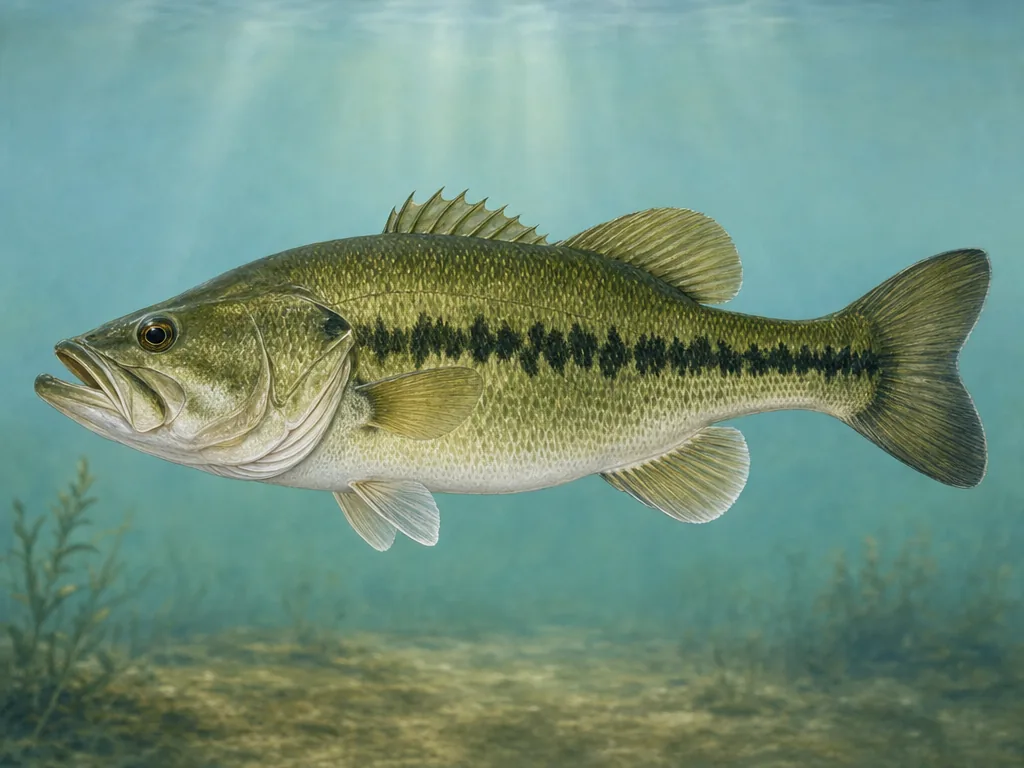
Field-guide illustration of a largemouth bass representing Florida's lakes, canals, and managed freshwater fisheries
Florida-strain largemouth bass are central to the state's freshwater identity, while coastal trips use a separate rule and conditions system.

License

Use Florida's official licensing portal and confirm whether the trip needs freshwater, saltwater, or both, plus any species permits.

Buy a Florida fishing license

Regulations

Choose freshwater or saltwater regulations and review Fish Management Area, wildlife management area, and species-specific provisions.

Florida fishing regulations

Decide which side of the shoreline applies

Florida’s freshwater and saltwater systems meet in tidal rivers, canals, and estuaries, but the licenses and species rules do not simply blur together. Identify the species and the water first. A lower river trip may involve saltwater rules for one target and freshwater rules farther upstream. Protected areas, piers, and charter arrangements can add exemptions or permits, so use the current FWC explanation rather than an old license checklist.

Managed lakes are not interchangeable

Fish Management Areas can add site rules to statewide freshwater regulations. Central Florida lakes also differ in public ramp hours, aquatic vegetation, drawdowns, and water levels. Stocking is not the primary organizing principle for Florida bass fishing; habitat, hydrology, access, and management designation are usually more informative. Read the individual FMA entry and local launch page before calling a lake accessible.

Conditions drive coastal timing

Tide and wind affect inlets, flats, and exposed piers, while summer heat and thunderstorms affect both coasts. On the Gulf, red tide can make a legally open area a poor or unsafe choice. In south Florida, canals and Everglades waters cross park, wildlife-area, and sometimes tribal boundaries. Carry an offline map, confirm the managing jurisdiction, and check fish-consumption guidance for a kept catch from a named water.

Choose an area that fits the trip

North Florida springs and rivers

The Suwannee, St. Johns, spring runs, and Panhandle rivers combine bass, sunfish, and coastal transitions with changing flow and access.

Central Florida lake country

Kissimmee Chain, Harris Chain, Orlando-area lakes, and managed impoundments emphasize ramps, vegetation, water level, and FMA-specific rules.

South Florida and the Everglades

Canals, marshes, Lake Okeechobee, Florida Bay, and Biscayne waters cross fresh, brackish, marine, tribal, and protected-area jurisdictions.

Gulf and Atlantic coasts

Inlets, piers, flats, estuaries, beaches, and offshore reefs require tide, marine-zone, weather, and saltwater-species checks.

Official and local planning resources