DE

Fishing in Delaware

northern trout streams · millpond and tidal-river transitions · Delaware Bay and surf fishing

What to know before fishing Delaware

Delaware's compact size places stocked trout streams, millponds, tidal rivers, Delaware Bay, beaches, and ocean water within a short drive, but not under one rule. Identify fresh, tidal, or marine water, then check the exact pond or stream, state-park access, tide, weather, and fish-consumption guidance.

The state's freshwater opportunity centers on managed ponds, short rivers, and a seasonal trout program in northern streams. Farther south and east, estuaries, piers, surf, and inlets follow saltwater species seasons and large tidal changes tied to the bay and Atlantic.

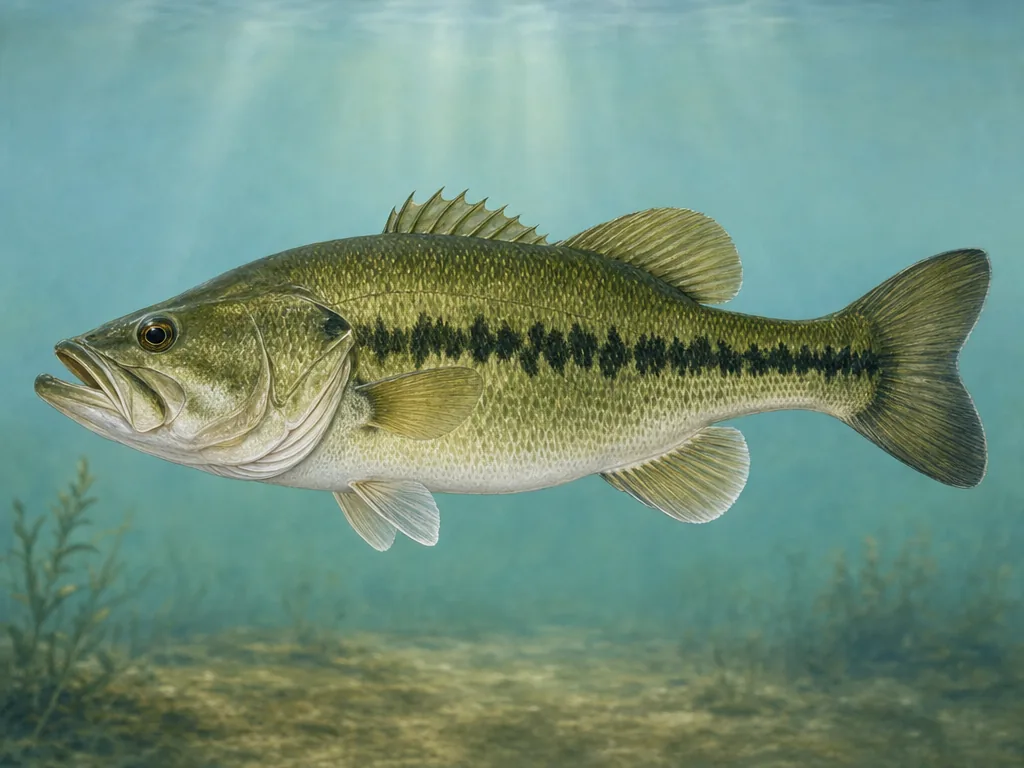
Field-guide illustration of a largemouth bass representing Delaware's public ponds and slow coastal-plain waters
Delaware's inland ponds support warmwater fishing, while northern trout streams and the tidal coast operate on different seasonal clocks.

License

Use Delaware DNREC for current fishing licenses, trout stamps, Fisherman Information Network registration, and exemptions.

Delaware fishing licenses

Regulations

Read current freshwater, tidal, and marine rules plus trout-stream, pond, species, and protected-area provisions.

Delaware fishing regulations

Compact geography does not simplify jurisdiction

A short Delaware drive can cross from a nontidal pond to a tidal river and then to the ocean. License registration, species rules, and gear provisions follow the water. Use the current DNREC category and confirm the freshwater-tidal boundary. On public ponds, the boat ramp or bank area may be constrained even when the water is open.

Trout is a focused northern program

Delaware stocks selected New Castle County streams and a limited number of other waters around defined seasons. Opening-day restrictions, trout stamps, and stream boundaries matter. A stocking notice is not authorization to fish early or from private property. Wilmington-area park access and stream easements should be verified separately from the state trout map.

Bay and ocean access follows tide and habitat

Indian River Inlet, Cape Henlopen, bay beaches, and wildlife-area shorelines are exposed to tide, current, storms, and seasonal wildlife protections. Surf-vehicle permits govern vehicle access rather than the right to ignore fishing regulations or closures. Match the tide station to the inlet or bay reach. Consumption advisories can apply to particular tidal rivers or species, so consult the named-water entry before keeping a catch.

Choose an area that fits the trip

New Castle County

Brandywine and Christina tributaries, Wilmington parks, stocked trout streams, and tidal river access concentrate opportunity in northern Delaware.

Kent County ponds and bay shore

Managed millponds, St. Jones and Murderkill systems, wildlife areas, and Delaware Bay beaches mix fresh and tidal fishing.

Sussex County inland waters

Nanticoke tributaries, ponds, Trap Pond, and Broad Creek support bass, pickerel, crappie, sunfish, and seasonal boating.

Delaware coast

Cape Henlopen, Indian River Inlet, Rehoboth, Bethany, and Fenwick access follows marine species rules, surf permits, tides, and wind.

Official and local planning resources