AZ

Fishing in Arizona

high-elevation trout · desert community lakes · native Apache and Gila trout

What to know before fishing Arizona

Arizona fishing follows elevation and water temperature more than the calendar alone. Cool forests and high-country lakes carry the summer trout opportunity, while Phoenix, Tucson, and other desert communities rotate trout, catfish, and sunfish through neighborhood lakes when temperatures are suitable. Check the stocking week, special regulation map, and local park rules together.

The state is easiest to understand as two linked programs: a mountain trout network across the Mogollon Rim, White Mountains, and Flagstaff country, and a cooperative Community Fishing Program operated with cities and towns. The right starting source changes with the elevation of the trip.

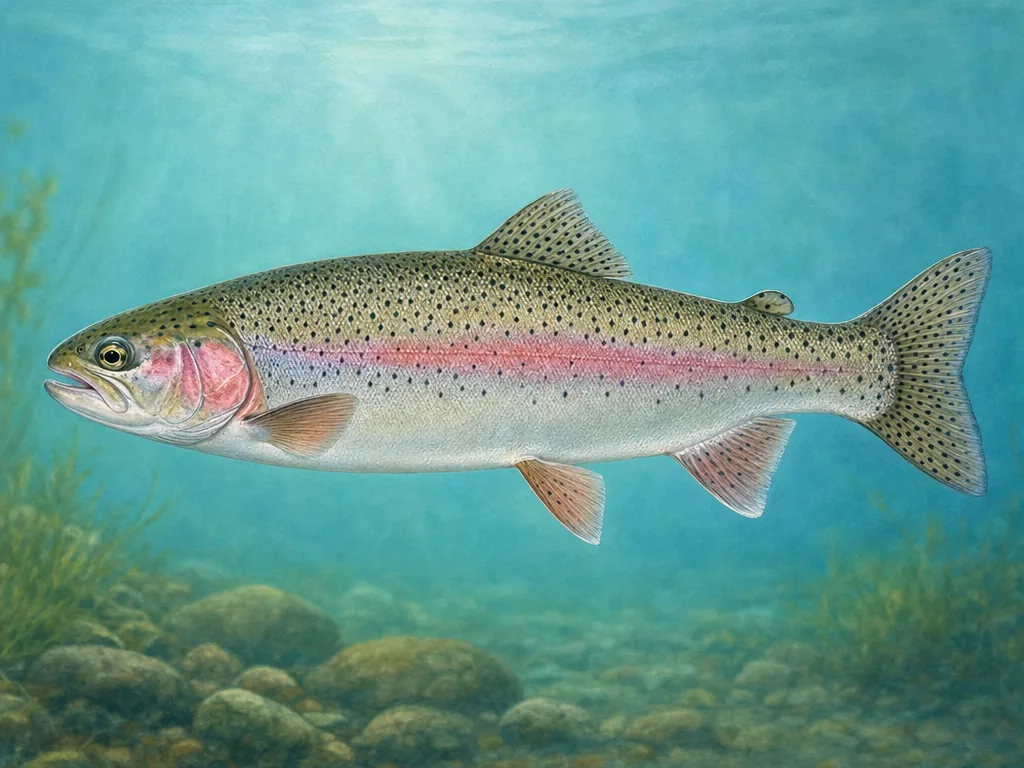
Field-guide illustration of a rainbow trout representing Arizona's mountain and cool-season community lake stockings
Rainbow trout connect Arizona's high-country summer fishing with winter stockings in selected lower-elevation waters.

License

Use the Arizona Game and Fish licensing portal for current resident and nonresident products; eligibility and required credentials depend on age, residency, and activity.

Buy an Arizona fishing license

Regulations

Review the current statewide rules and the interactive special-regulation map, especially for community waters, native-trout waters, and species-specific limits.

Arizona licenses and fishing regulations

Elevation decides the season

Arizona reverses the assumptions many visitors bring to desert fishing. In midsummer, the reliable trout plan moves uphill toward the White Mountains, Mogollon Rim, and Flagstaff-area lakes. When overnight temperatures fall, lower-elevation community lakes become suitable for trout; as those waters warm again, the program shifts toward catfish and sunfish. A statewide month is therefore less informative than the combination of elevation, water type, and scheduled stocking week.

High-country travel also brings practical constraints that do not appear on a stocking list. Forest roads can be closed by snow, wildfire, or monsoon damage, and small impoundments can change quickly during drought. Check the managing forest or local authority after selecting a water from the state schedule.

Community water is a city-state partnership

The neighborhood-lake program is not a generic list of urban ponds. Arizona Game and Fish works with participating municipalities, and each park still controls parking, gates, hours, and site facilities. Phoenix-area waters range across several cities, while Tucson’s list serves a separate urban basin. Read the lake entry and the city park information rather than assuming the closest blue shape on a map is enrolled.

Native trout require more care

Apache and Gila trout are not interchangeable with catchable rainbows. Native-trout waters can carry restoration goals, special tackle rules, seasonal closures, or catch-and-release requirements. Use the special-regulation map for the exact reach and avoid moving bait or fish between waters. The official regulation, not a general Arizona trout article, controls the trip.

Choose an area that fits the trip

White Mountains

High-elevation lakes and streams around Pinetop-Lakeside, Greer, and Springerville support trout through the warmer part of the year when desert lakes are hottest.

Mogollon Rim

Rim lakes, canyon streams, and forest roads create a broad trout corridor between Payson and the eastern high country; weather and road access can change quickly.

Phoenix community lakes

Municipal parks across the Valley receive seasonal fish through a city-state partnership, making park hours and the Community Fishing rules as important as the stocking week.

Tucson and southern Arizona

Community lakes provide close-to-home fishing below the sky islands, while higher waters in the Santa Catalina and southeastern ranges follow a cooler seasonal pattern.

Official and local planning resources