AL

Fishing in Alabama

Tennessee River reservoir chains · Black Belt public fishing lakes · Smith Lake winter trout and Gulf tides

What to know before fishing Alabama

Alabama fishing is anchored by Tennessee River and Coosa reservoirs, Black Belt public lakes, warm rivers, a winter trout tailwater, Mobile Bay, and the Gulf. Check the exact reservoir or river rule, identify the ramp or bank manager, and pair stocking history with current level, generation, tide, and fish-consumption information.

The state's fishery is mostly warmwater, but geography creates distinct decisions: hydroelectric reservoir chains in the north and east, fertile managed lakes through central Alabama, free-flowing coastal-plain rivers, and brackish to marine water below the fall line.

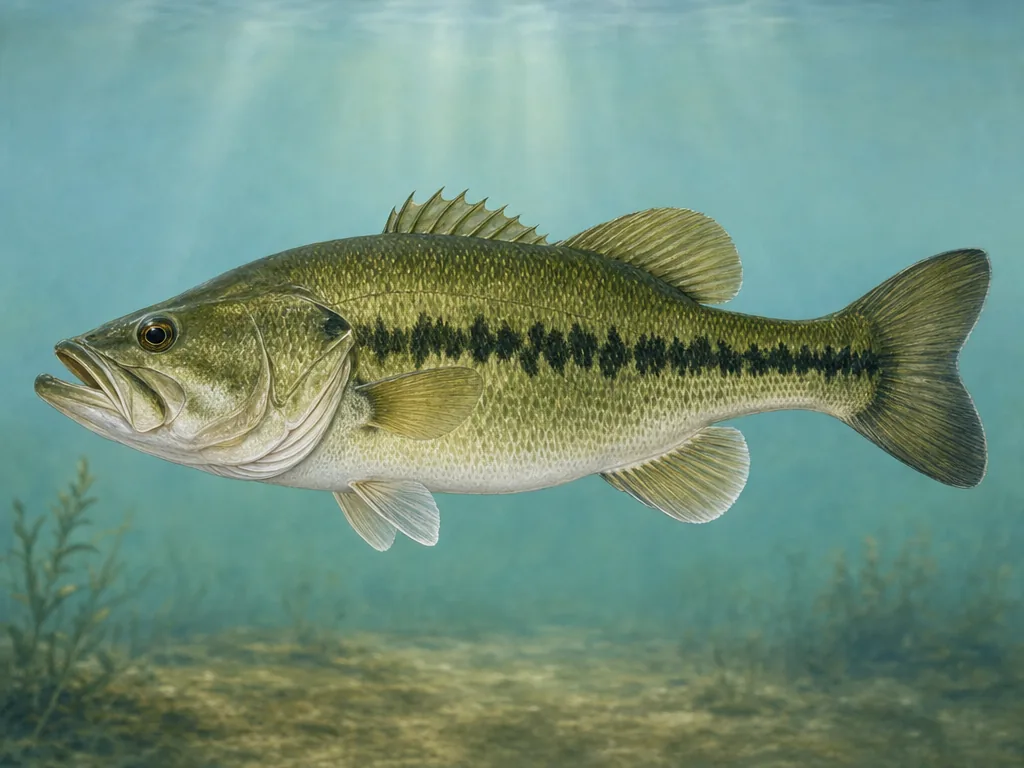
Field-guide illustration of a largemouth bass representing Alabama's fertile reservoirs and public fishing lakes
Warmwater reservoirs dominate Alabama fishing; the Smith Lake tailwater and Gulf coast require separate seasonal and regulatory checks.

License

Use Outdoor Alabama for current freshwater, saltwater, daily, pier, and residency options and check exemptions before purchase.

Alabama freshwater and saltwater fishing licenses

Regulations

Review statewide freshwater limits, exceptions for named reservoirs and rivers, public fishing lake rules, and the separate saltwater regulations.

Alabama fishing regulations

Reservoir names hide many access points

Alabama’s large impoundments are divided among TVA, power-company, USACE, state, county, and private facilities. The fishery can be public while a particular ramp is closed, fee-based, or unusable at the current level. Pick the ramp before the lake. Tailrace trips also require generation information because current and footing can change quickly below a dam.

Public lakes are managed as individual sites

State Public Fishing Lakes are not miniature versions of Guntersville. They have managers, operating hours, local permits or fees, boat and motor rules, and water-specific harvest limits. Confirm the current lake page rather than transferring rules from another county. Alabama’s stocking page is best read as program and historical context; many warmwater plants support long-term management rather than a date-specific catchable event.

Fresh water becomes tidal by degrees

The Mobile-Tensaw Delta connects river, bay, marsh, and Gulf systems. License and species rules follow the water and target, while tides and weather control practical access. Check the closest station instead of using a generic Gulf tide. In north Alabama, Smith Lake tailwater’s cool-season rainbow trout are a narrow exception to the state’s warmwater pattern. Verify the release area, stocking information, and dam conditions together.

Choose an area that fits the trip

Tennessee Valley

Guntersville, Wheeler, Wilson, Pickwick, and tributaries support bass, crappie, catfish, and tailrace fishing shaped by current and generation.

Coosa and Tallapoosa systems

Reservoir chains east of Birmingham and Montgomery combine spotted bass, striped fish, crappie, and developed but manager-specific access.

Black Belt and public fishing lakes

Fertile state-managed lakes provide bank, pier, and small-boat opportunities with local permits, gates, and lake-specific limits.

Mobile-Tensaw and Gulf Coast

Delta rivers, Mobile Bay, Dauphin Island, and Gulf beaches move from fresh to marine rules across tidal water.

Official and local planning resources